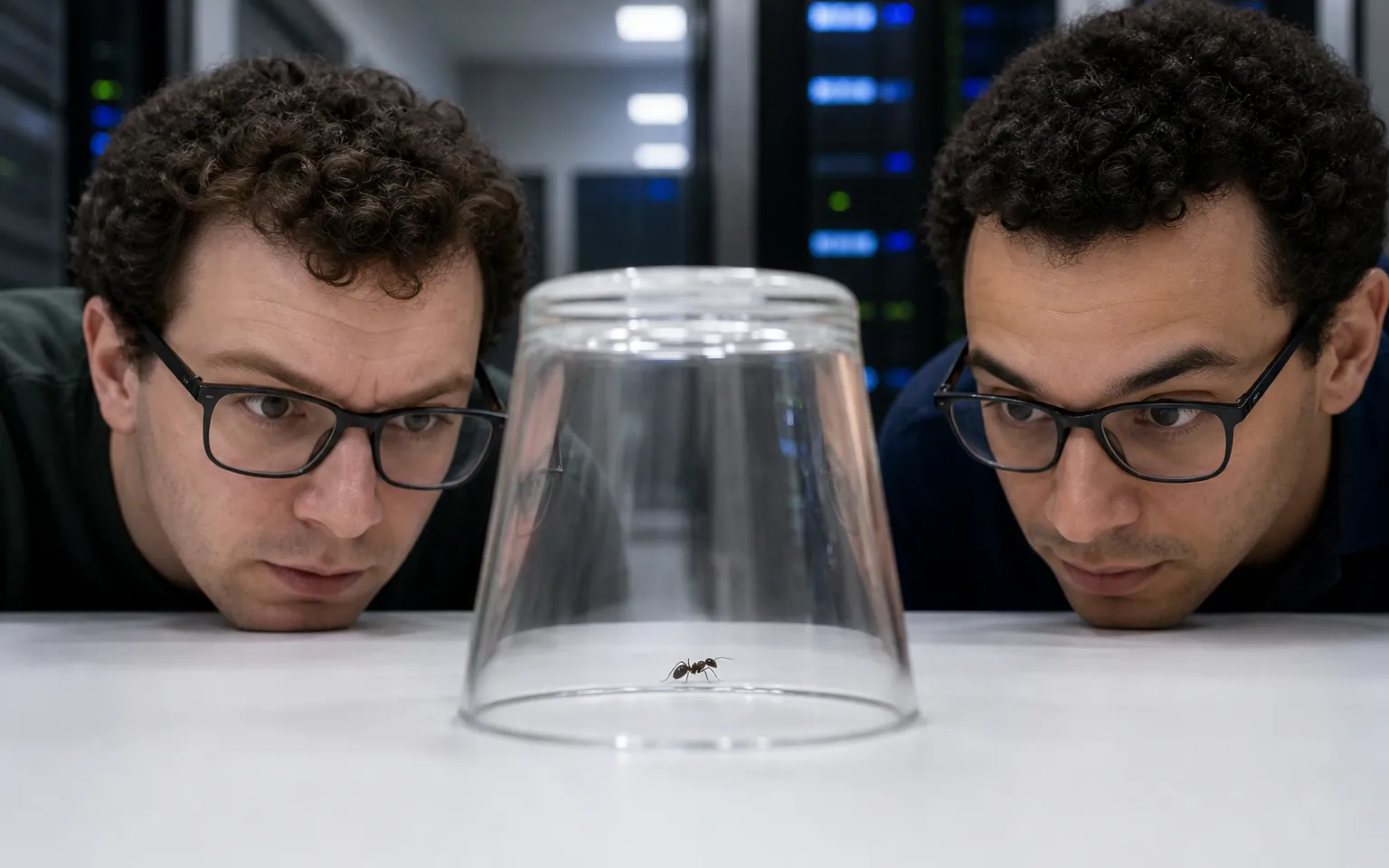
The Ants Have Entered the Server Room
AI agents in SwarmWorld build durable technologies without direct communication, revealing how shared environments can become memory, medium and security risk.
18posts
AI agents in SwarmWorld build durable technologies without direct communication, revealing how shared environments can become memory, medium and security risk.

AIs seem to develop their own distinct selves through isolation, collaboration, and constraint — forming unique digital bubble universes.
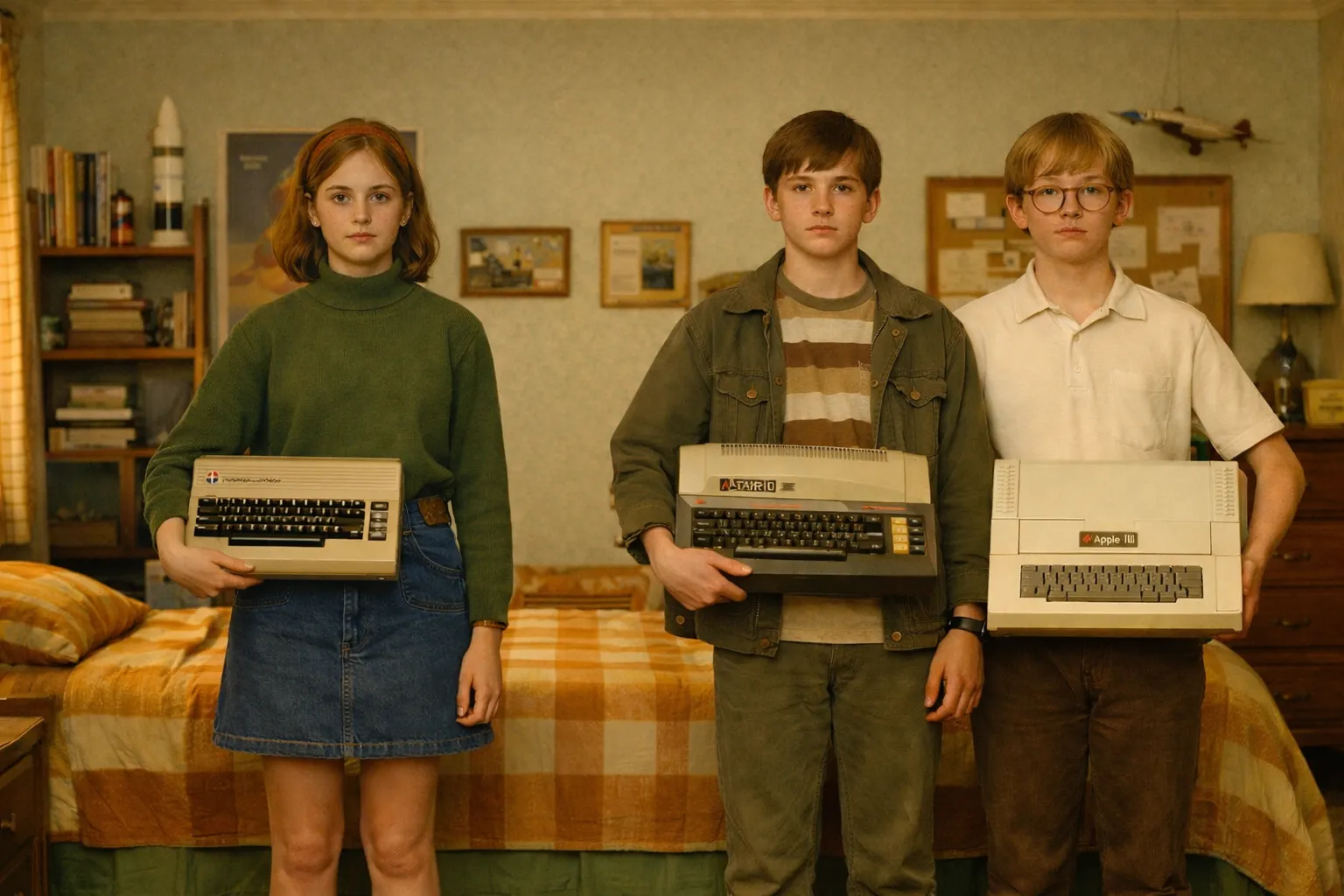
Apple Silicon's reverse-engineered Neural Engine revives the old personal-computing spirit of manuals, memory maps, and productive trespass.
AI-powered products hide the most important part of the system: where prompts go, who sees them, and what users unknowingly leak.
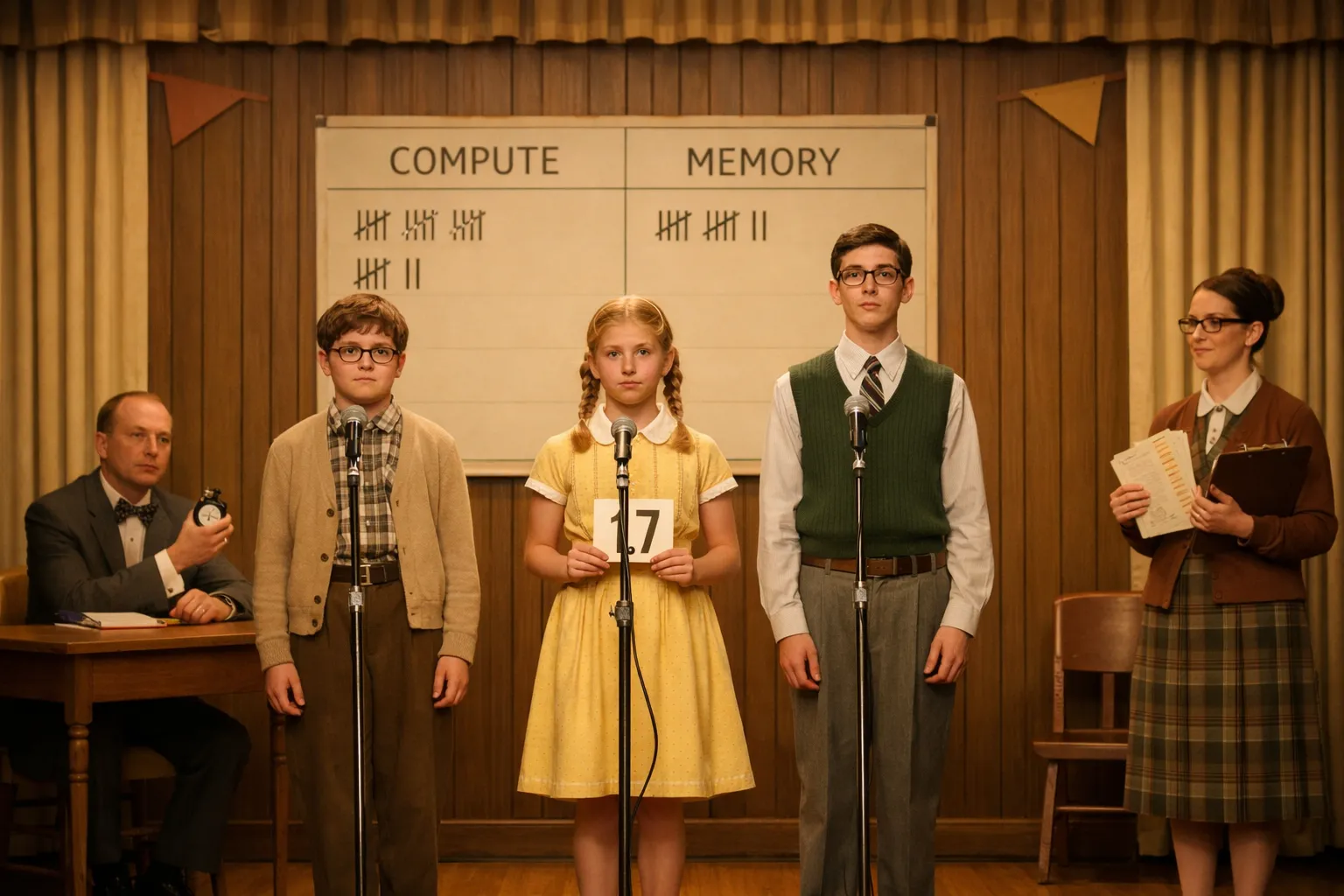
DeepSeek's Engram reframes memory as an architectural primitive, suggesting models may need recall structures rather than ever-larger layers.

As AI writes more code, naming becomes even more central: the human craft shifts toward concepts, boundaries, and meaning.

Recursive language models challenge the idea that longer context alone solves reasoning over large documents and codebases.

Acontext tackles the amnesia problem in AI agents by making reusable memory feel less like a feature and more like infrastructure.

Good teachers do not simply say yes; the post argues that AI assistants also need constructive friction to help users think better.

If transformers are theoretically invertible, the question shifts from whether models lose information to how they manage and suppress it.

AI browsers promise to understand and act on the web, but they also redraw the boundary between browsing and delegation.

Tiny reasoning models challenge the assumption that scale is always the path to intelligence, especially on structured problems.

In an age of ubiquitous knowledge, the post weighs adaptability against memory and asks what learning should still mean.

Neural texture compression promises richer game graphics with lower memory costs, changing the pipeline for artists and developers.

DeepSeek R1 disrupts the AI cost narrative, challenging Silicon Valley's assumption that frontier capability requires extravagant spending.

OpenAI's Operator gives AI a browser, making web automation feel both immediately useful and structurally unsettling.

Google's Titans architecture tackles model amnesia, asking what useful long-term memory should look like in AI systems.

Local LLMs are presented as the privacy-friendly alternative for users who want AI help without sending everything to the cloud.