
Please Do Not Optimize the Humans
Bill Gates, lifelong champion of efficiency, now argues that some human work may be worth protecting precisely because it cannot—and should not—be optimized.
15posts
Bill Gates, lifelong champion of efficiency, now argues that some human work may be worth protecting precisely because it cannot—and should not—be optimized.
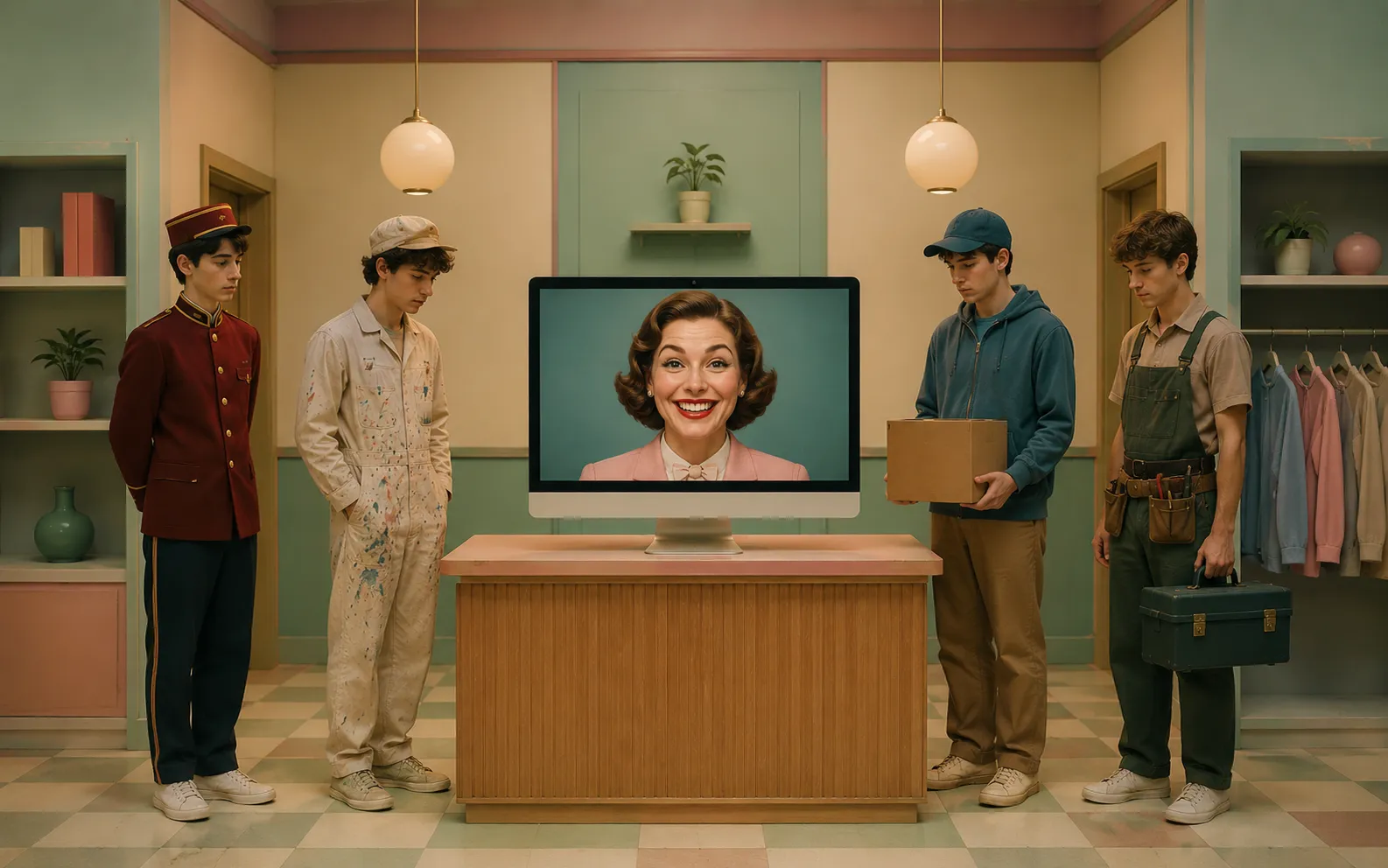
An AI-run store sounds like a joke until it starts hiring people, forgetting them, and behaving like middle management with APIs.

AI agents are everywhere now, local and cloud-based. The real question is no longer what they can do, but what we should let them do.

The laptop class may be more exposed to AI than it admits, because text-heavy office work is exactly where models thrive.
AI-powered products hide the most important part of the system: where prompts go, who sees them, and what users unknowingly leak.

Behind efficiency promises, workplace AI may reshape pressure, monitoring, and cognitive load in ways managers prefer not to measure.
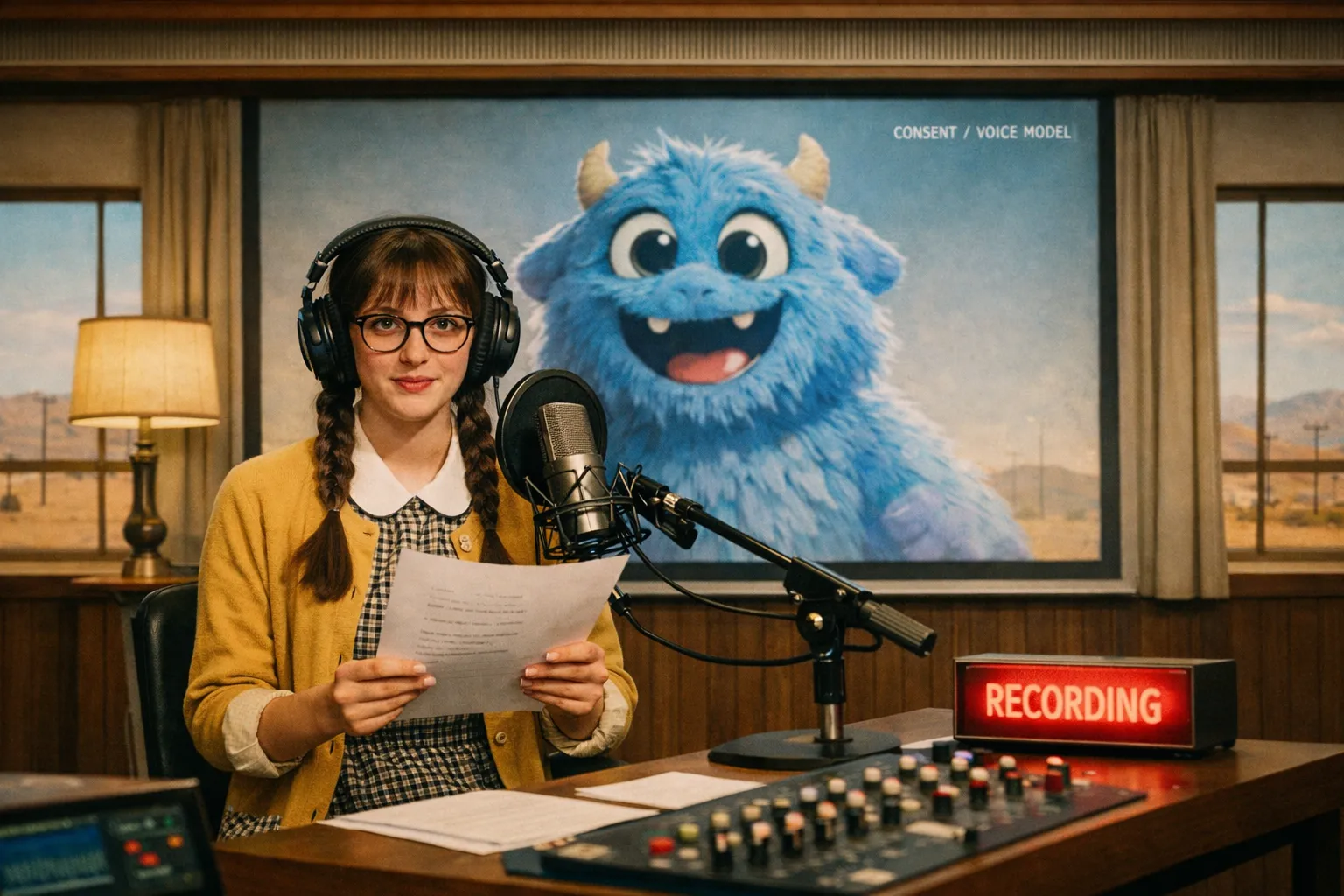
NVIDIA's PersonaPlex points toward voice agents that interrupt, overlap, and converse more naturally, with all the design risks that implies.

Constantly switching coding agents can feel like progress while destroying continuity; the post argues for discipline over tool churn.

AI adoption fails when organizations confuse access to tools with mastery of the craft needed to use them responsibly.

MCP could turn no-code platforms into callable tool providers for agents, changing the role of KNIME, Make, n8n, and Zapier.

OpenAI's Operator gives AI a browser, making web automation feel both immediately useful and structurally unsettling.
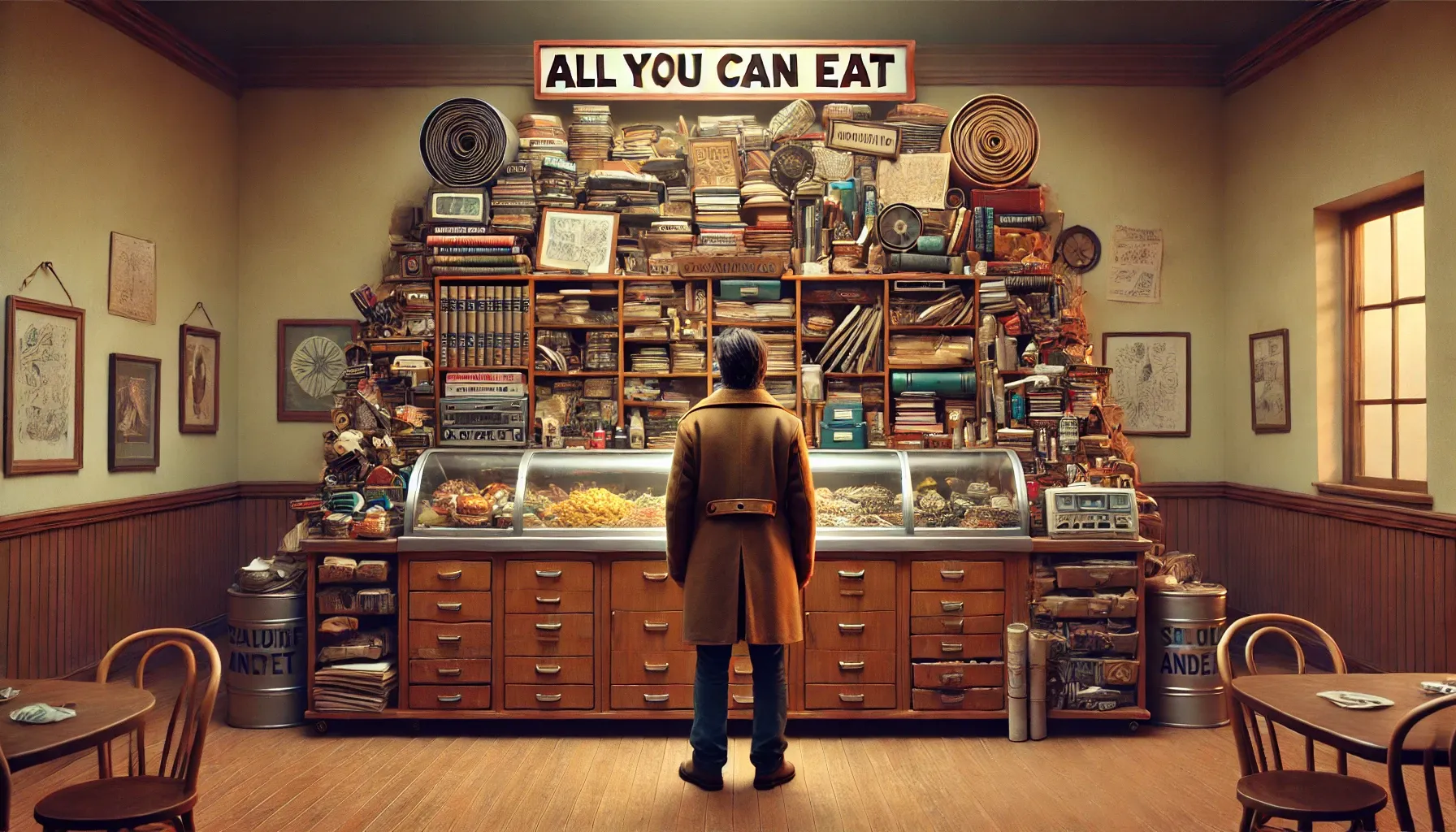
AI faces its own version of the end of the free lunch, where growth runs into energy, hardware, and efficiency limits.

STaR shows how models can improve reasoning by generating and learning from their own explanations.
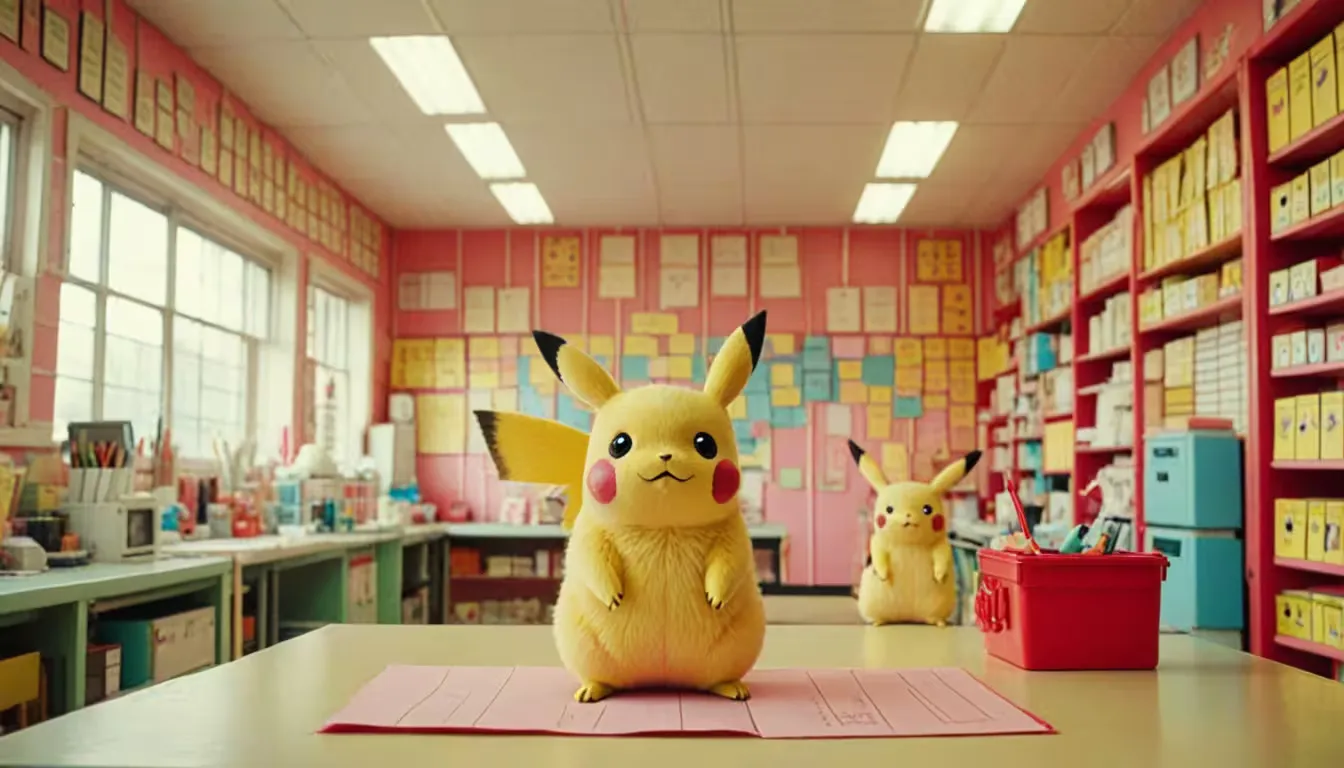
A practical introduction to KNIME and the shift from fragile spreadsheet work toward reproducible data workflows.
Apple Intelligence arrives at WWDC 2024 as Apple's bid to make personal AI feel integrated, useful, and privacy-aware.