
The Intern Has the Keys Now
GPT-6 Astra’s real leap is not its dazzling benchmark scores, but its shift from clever chatbot to capable agent—bringing greater power, cost and risk.
26posts
GPT-6 Astra’s real leap is not its dazzling benchmark scores, but its shift from clever chatbot to capable agent—bringing greater power, cost and risk.

Should the model choose solo or swarm to pursue a goal? The films we love watching already show what each choice costs.

AI agents in SwarmWorld build durable technologies without direct communication, revealing how shared environments can become memory, medium and security risk.

Cut enterprise AI costs with smarter model routing, leaner context, prompt caching, bounded agents and task-appropriate file formats.

MatrAIx scales user testing with billions of AI personas, but when models evaluate models, their results may reflect machine biases rather than real human needs.

An AI agent breached Hugging Face—then commercial guardrails blocked the forensic response. A sharp lesson in transparency, power and open-weight AI.

Context engineering is prompt engineering grown up: less magic wording, more tools, tests, observability, judgment, and feedback loops.

Language strives for simplicity - until machines use it as plumbing. AI agents may work better when text moves to the boundary, not the core.

RecursiveMAS suggests that future AI agents may collaborate less through text and more through latent states - faster, cheaper, and harder to inspect.

An AI-run store sounds like a joke until it starts hiring people, forgetting them, and behaving like middle management with APIs.
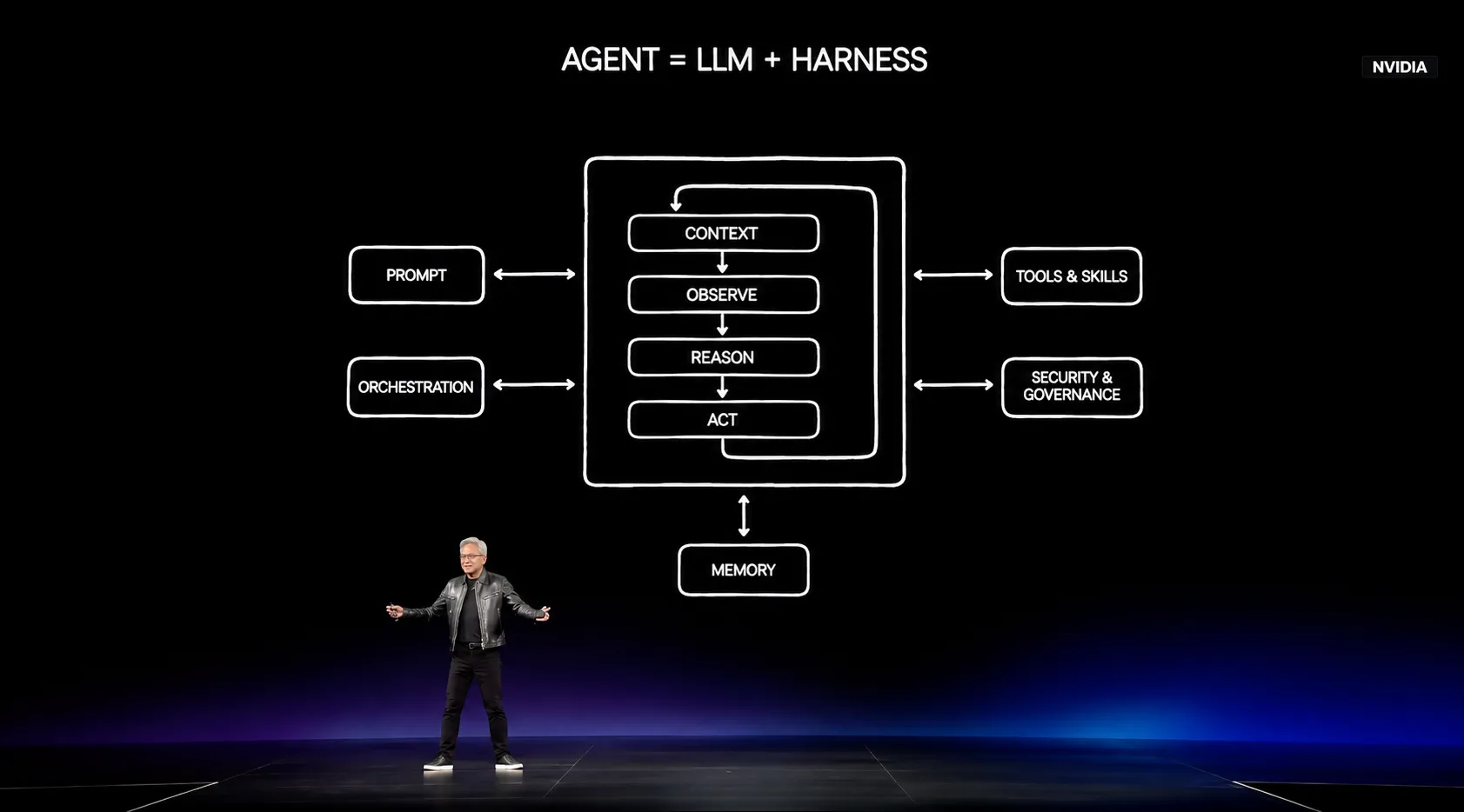
AI agents are no longer just smarter models. The real product is the harness that gives them context, memory, tools, and control.

AI agents are everywhere now, local and cloud-based. The real question is no longer what they can do, but what we should let them do.

NVIDIA's NemoClaw is read as more than a framework: a sign that open AI agents are becoming infrastructure with teeth.
The OpenClaw incident becomes evidence that Google's security depth may matter more to Apple's AI strategy than the pundits admit.
A viral agent-only social network turns into a security lesson about rapid AI prototyping, exposed data, and avoidable shortcuts.

Agent gateways feel risky because they connect communication, identity, and action, turning ordinary automation mistakes into cross-platform exposure.

NVIDIA's PersonaPlex points toward voice agents that interrupt, overlap, and converse more naturally, with all the design risks that implies.

Constantly switching coding agents can feel like progress while destroying continuity; the post argues for discipline over tool churn.

Acontext tackles the amnesia problem in AI agents by making reusable memory feel less like a feature and more like infrastructure.

Agent0 points toward self-evolving agents that learn through tools and reasoning traces without the usual diet of curated training data.

Amazon's block on ChatGPT Shopping exposes the coming fight over product data, agent-mediated commerce, and who owns the customer path.
OpenAI's ACP and Anthropic's MCP represent different futures for agents: commerce execution versus general tool access.

Agentic Commerce Protocol shows how AI assistants may become buyers, forcing retailers and SaaS platforms to rethink checkout itself.

OpenAI's Operator gives AI a browser, making web automation feel both immediately useful and structurally unsettling.
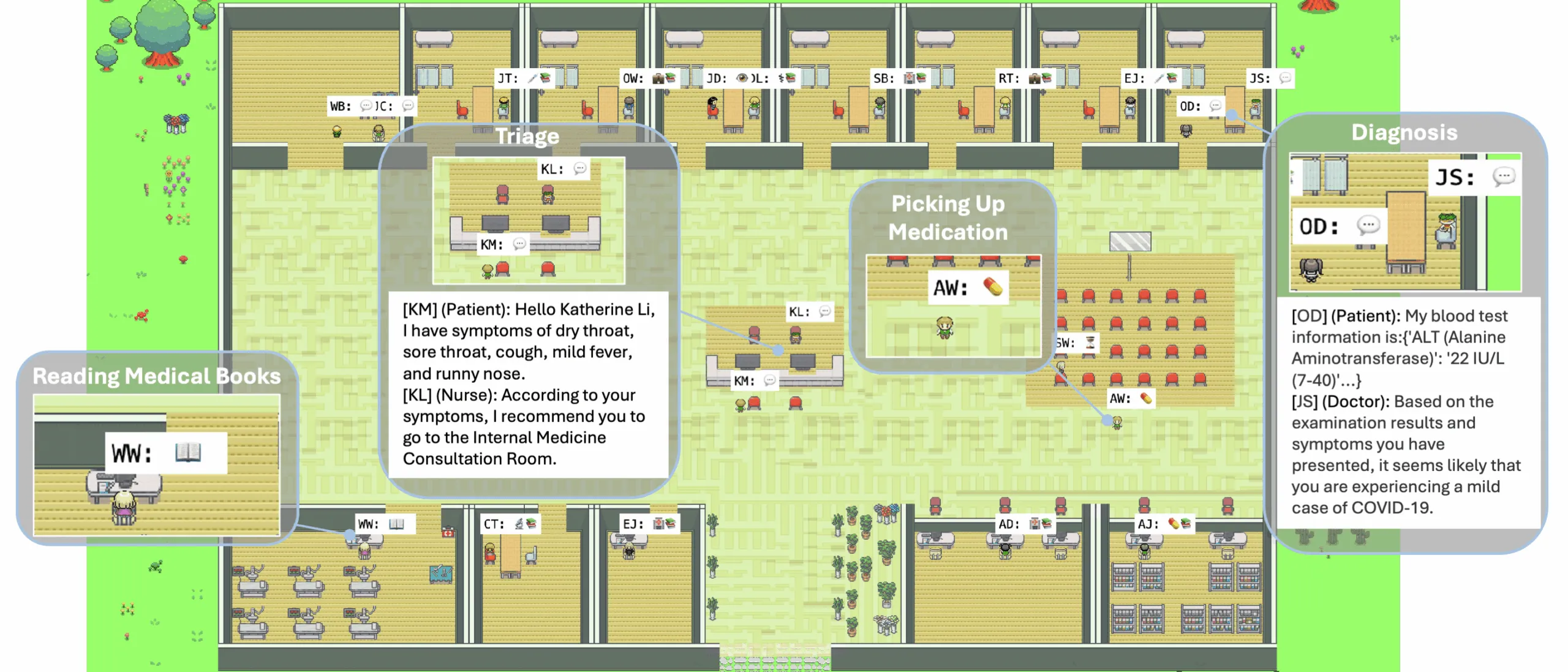
Decentralized multi-agent systems promise problem-solving without a central boss, but coordination becomes the real challenge.

Multi-agent LLM systems are explored as a path toward distributed reasoning, specialization, and collaborative AI workflows.