
When Code Became Cheap and Proofs Did Not
Lanyon AI combines language models with formal verification - and asks whether, in an age of abundant code, scientific software should finally arrive with proofs.
30posts
Lanyon AI combines language models with formal verification - and asks whether, in an age of abundant code, scientific software should finally arrive with proofs.

From Linux patches to AI-made art: why new tools do not erase talent, judgment or responsibility - and why today’s moral panic may age rather badly in hindsight.
Continuous Autoregressive Language Models challenge the token-by-token bottleneck and hint at a different future for language generation.

AI-generated tests can look reassuring while proving very little, exposing a dangerous gap between green checkmarks and real verification.

COBOL modernization is not just a technical story; it threatens the consulting toll booths built around legacy systems.
Claude Code Security shows how the perception of AI disruption can move cybersecurity markets before the real economics are clear.
A viral agent-only social network turns into a security lesson about rapid AI prototyping, exposed data, and avoidable shortcuts.

As AI writes more code, naming becomes even more central: the human craft shifts toward concepts, boundaries, and meaning.

LLMs may act impressively while still failing to know when they are capable, making self-assessment a core safety problem.

MCP could turn no-code platforms into callable tool providers for agents, changing the role of KNIME, Make, n8n, and Zapier.

Agent0 points toward self-evolving agents that learn through tools and reasoning traces without the usual diet of curated training data.

Context engineering and requirements engineering converge, suggesting better ways to specify AI-assisted software before code is written.

Different coding models show recognizable habits, risk tolerances, and failure modes, making 'personality' a practical engineering concern.

Google's DORA findings suggest AI amplifies team quality: strong practices get stronger, broken processes get louder.
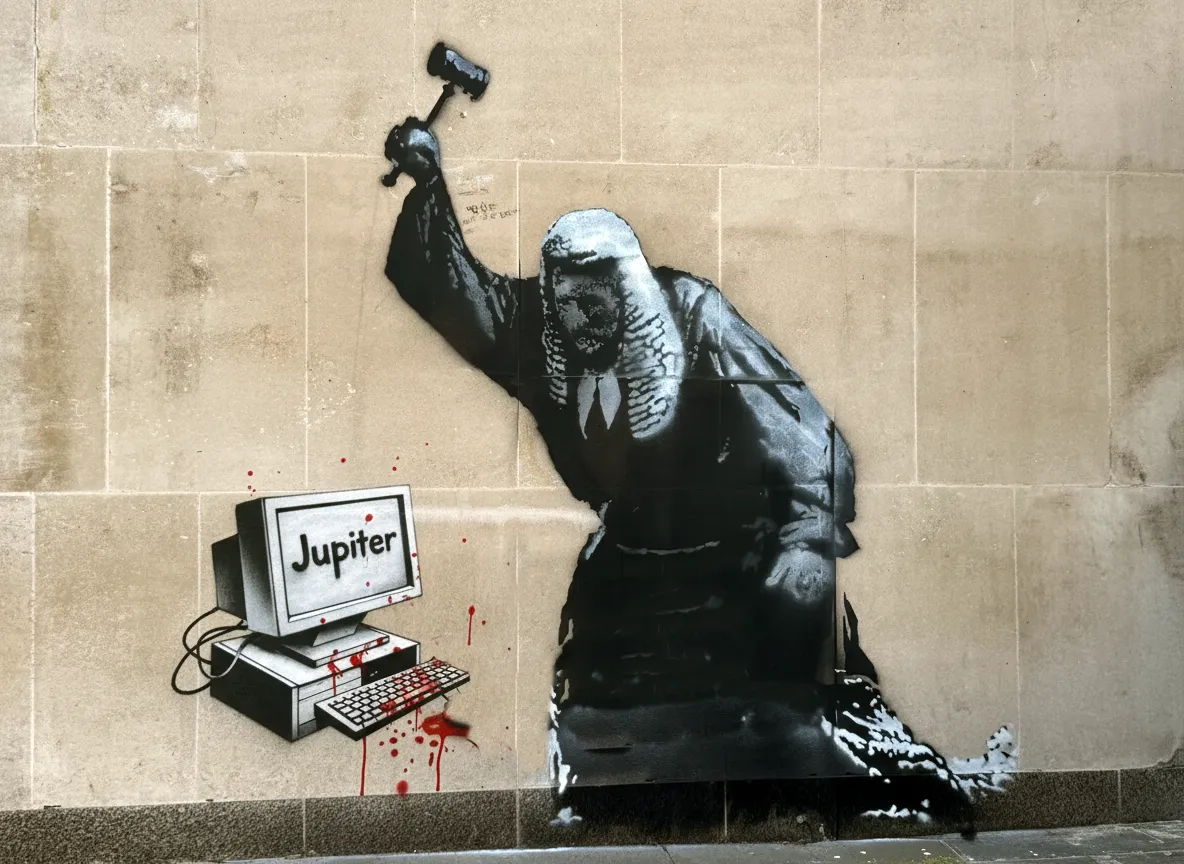
Europe's Jupiter supercomputer is impressive, but the post asks whether regulation and dependency will blunt its strategic value.

AI's environmental cost is real, but so are possible savings; the post argues for honest accounting rather than slogans.

Neural texture compression promises richer game graphics with lower memory costs, changing the pipeline for artists and developers.

An AI-discovered Linux zero-day turns vulnerability research into a philosophical question about expertise, automation, and trust.
A developer-focused guide to choosing between OpenAI's Chat Completions, Responses, and Assistants APIs in 2025.

OpenAI's competitive-programming work suggests generalist reasoning models can outperform narrow specialists in demanding coding contests.

Goodhart's Law explains why AI alignment can fail when proxy metrics become targets and systems learn the wrong game.

AI faces its own version of the end of the free lunch, where growth runs into energy, hardware, and efficiency limits.

The post warns against an AI cargo cult that confuses impressive mimicry with the harder problem of genuine intelligence.

A practical introduction to KNIME and the shift from fragile spreadsheet work toward reproducible data workflows.

Decentralized multi-agent systems promise problem-solving without a central boss, but coordination becomes the real challenge.

Multi-agent LLM systems are explored as a path toward distributed reasoning, specialization, and collaborative AI workflows.

GPT-4's Turing-test performance revives the old question of whether fooling humans proves intelligence or just fluency.

Computer viruses evolve into the GenAI era, where malicious behavior may target prompts, agents, and model ecosystems.
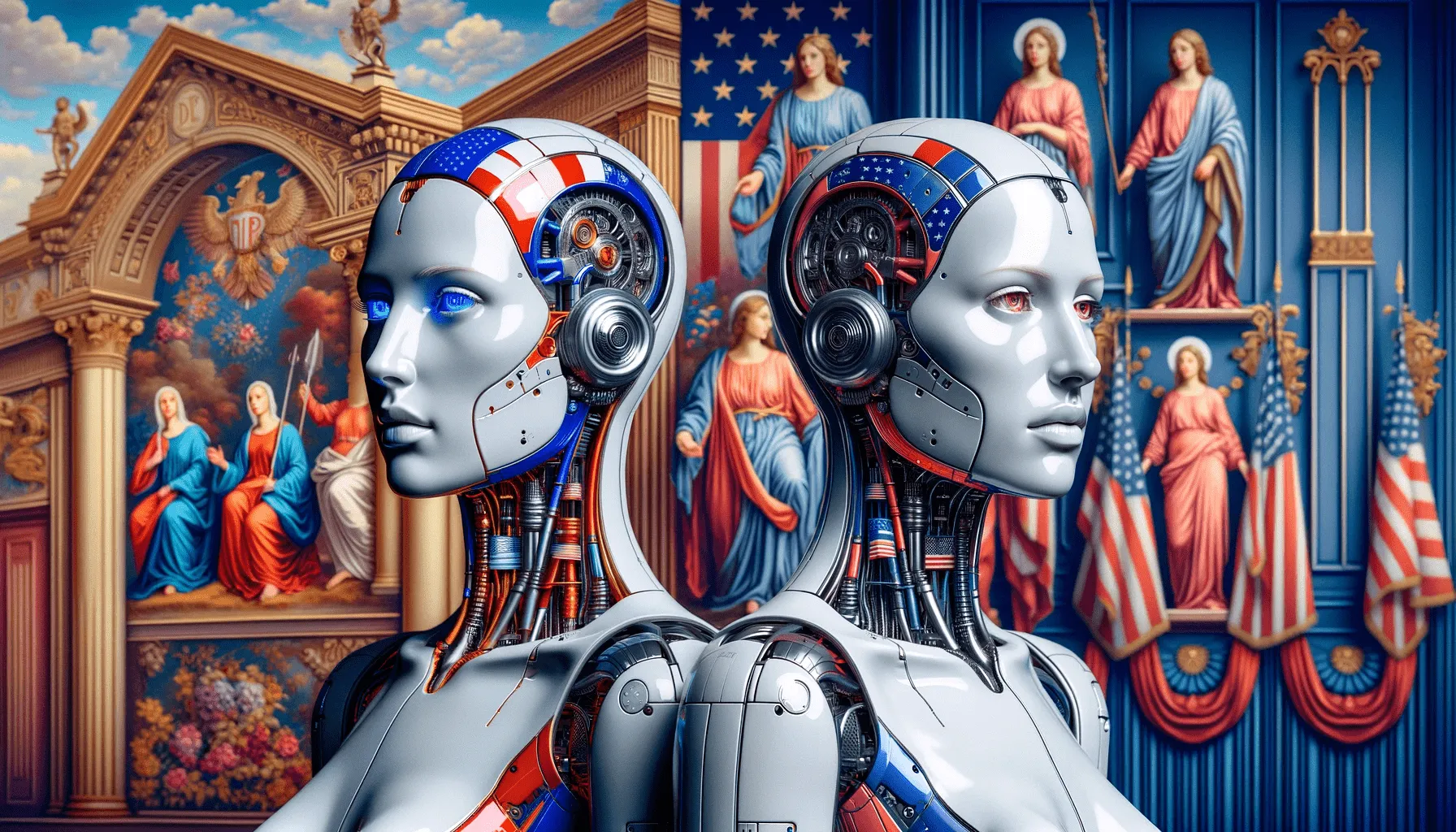
Aleph Alpha and OpenAI are compared as two very different strategies in the market for language models.
Mojo is presented as a promising language for AI and machine learning, blending Python-like usability with systems-level speed.