
An AI Walks Into a Bar, Eventually
Mobility data can teach AI how places work over time, grounding language models in urban life—though true spatial understanding still requires embodiment.
13posts
Mobility data can teach AI how places work over time, grounding language models in urban life—though true spatial understanding still requires embodiment.

Google Stitch is powerful, but the post argues that faster UI generation changes design work rather than eliminating design judgment.
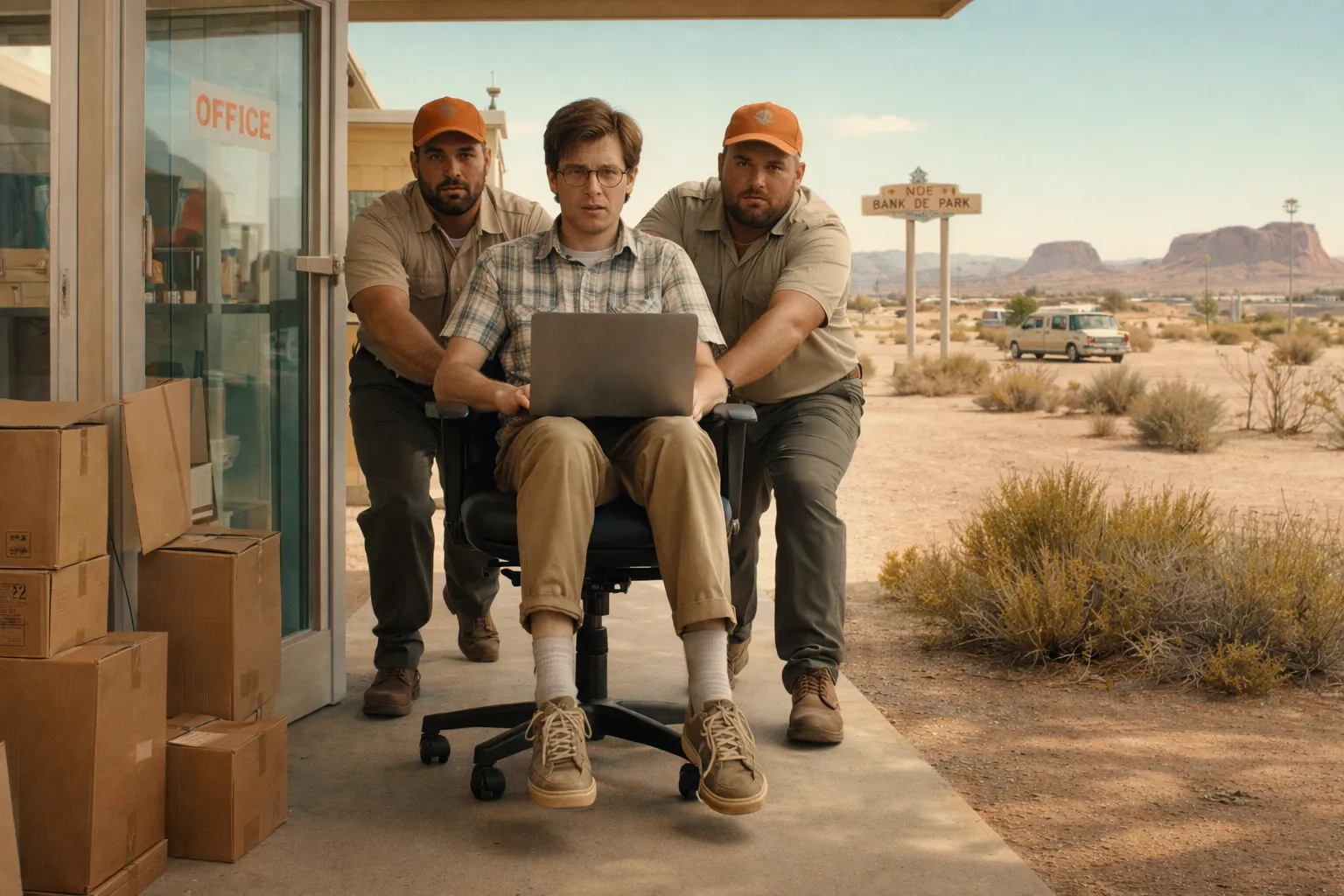
The laptop class may be more exposed to AI than it admits, because text-heavy office work is exactly where models thrive.
The OpenClaw incident becomes evidence that Google's security depth may matter more to Apple's AI strategy than the pundits admit.

Apple's Google partnership is read against the lazy narrative that Cupertino has missed AI, revealing a more strategic kind of patience.
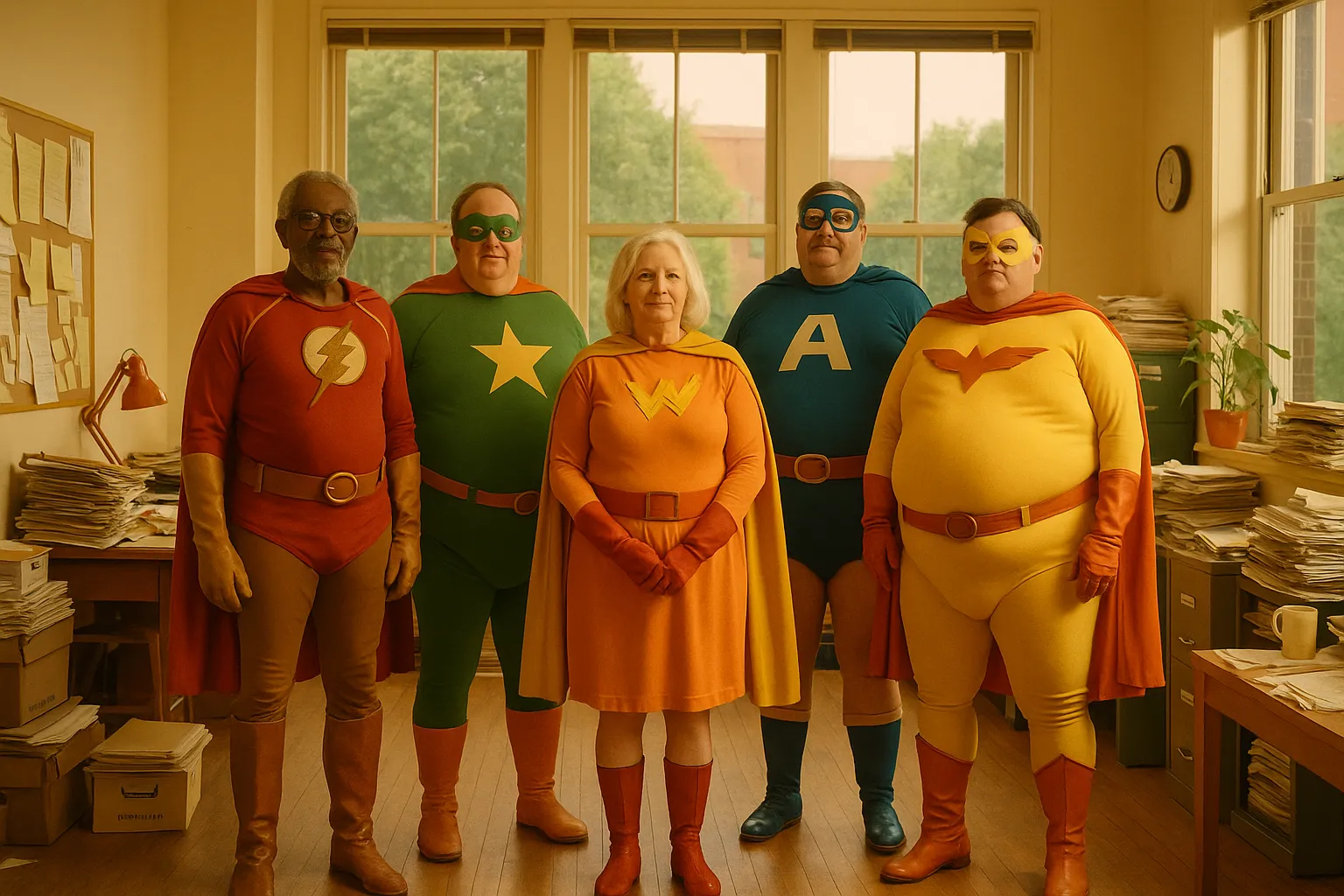
Google's DORA findings suggest AI amplifies team quality: strong practices get stronger, broken processes get louder.

Grok-4's benchmark wins are examined with both excitement and caution as the frontier race tightens.
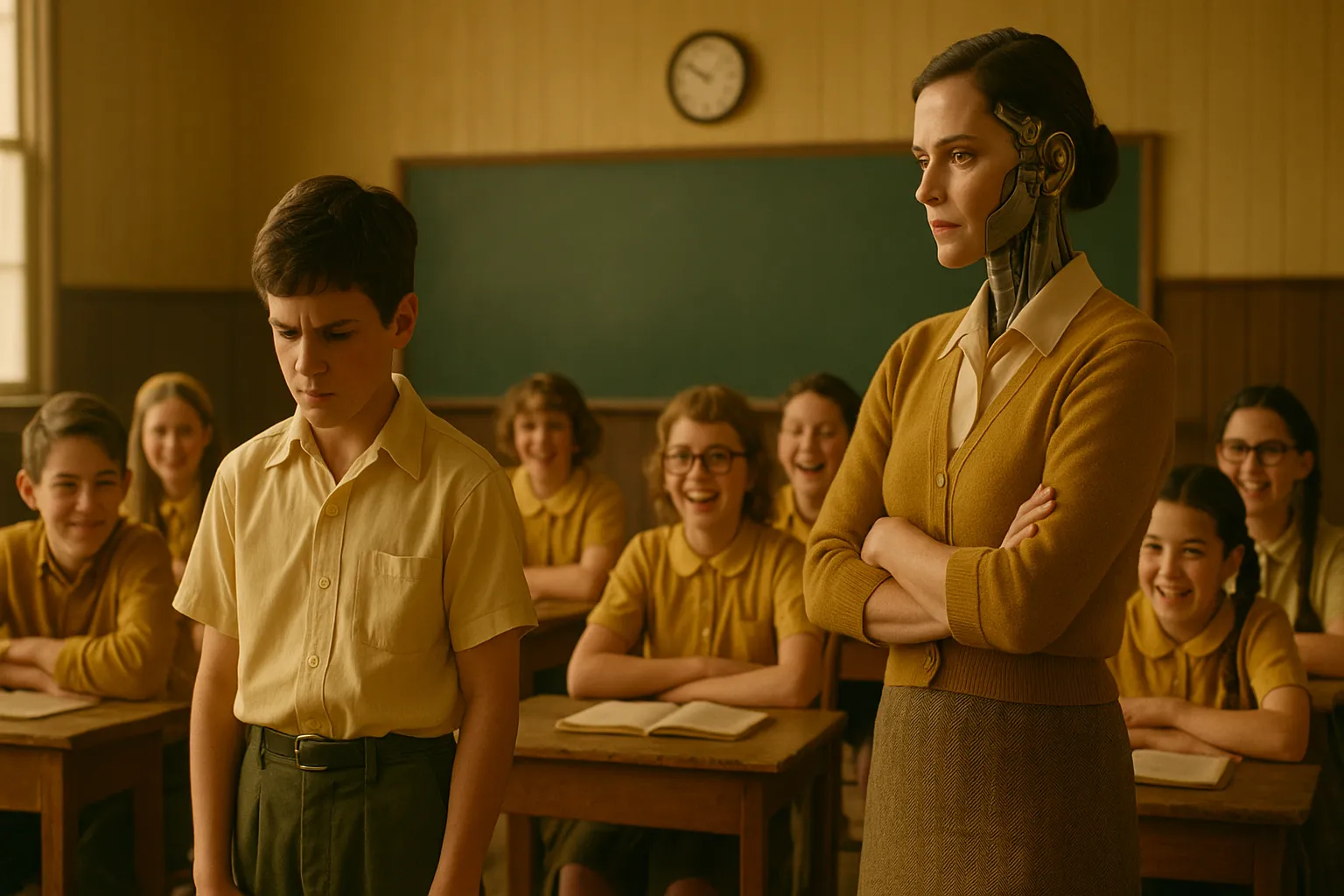
In an age of ubiquitous knowledge, the post weighs adaptability against memory and asks what learning should still mean.

The threat to journalism may not be Google summaries alone, but AI systems evolving into publishers, editors, and distributors.
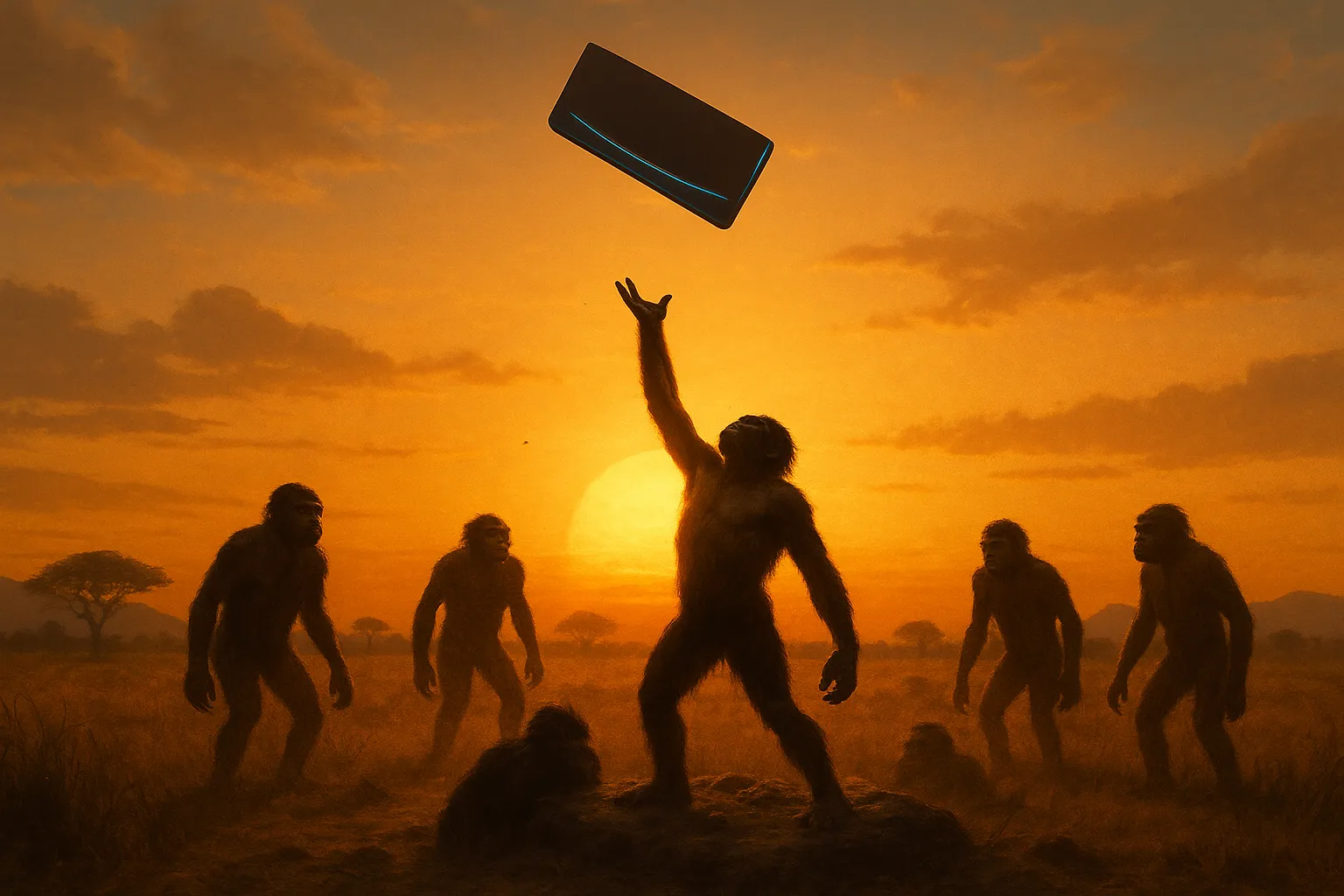
AlphaEvolve suggests algorithmic discovery may reshape science and industry by evolving solutions humans would not design directly.
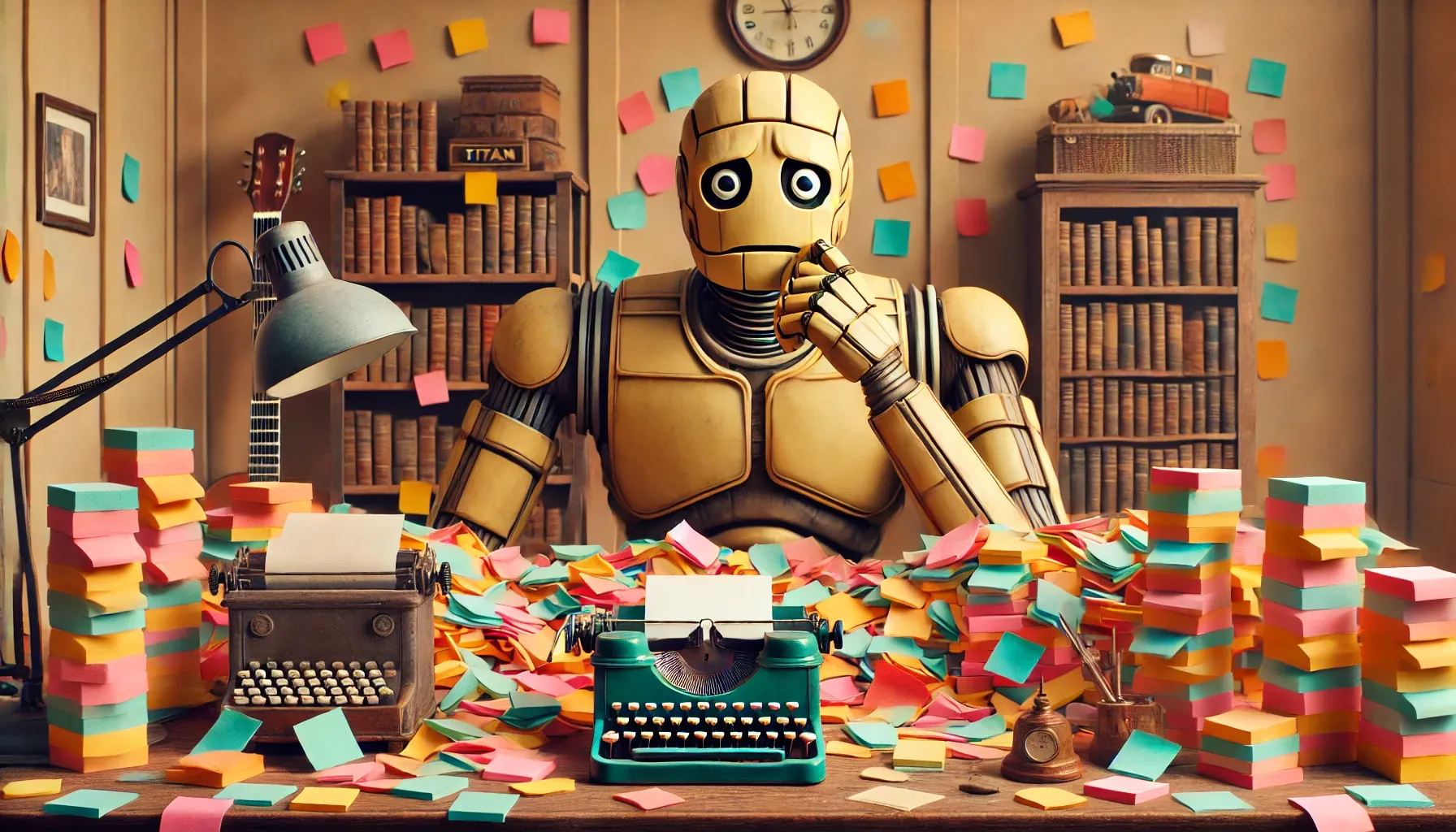
Google's Titans architecture tackles model amnesia, asking what useful long-term memory should look like in AI systems.

Text-to-image models still struggle with counting, making their visual brilliance look surprisingly fragile at the level of basic numeracy.

DeepMind's AlphaGeometry shows how synthetic data and symbolic reasoning can push AI toward Olympiad-level mathematics.