
The Weight of the Evidence
Weight-space programming delivers promising model repairs and network design, but limited experiments do not establish a general leap in artificial intelligence.
30posts
Weight-space programming delivers promising model repairs and network design, but limited experiments do not establish a general leap in artificial intelligence.

AI may deliver better manuscript feedback than expert human reviewers—and without the six-month wait. But faster criticism still needs human scrutiny, room for unconventional ideas, and editors willing to disagree with the machine.

AI can improve students’ work without improving their understanding. Real educational progress depends on what learners retain, explain, and apply independently.

AI reconstructs images from brain scans, but learned visual patterns can fill the gaps. Impressive results do not yet prove that machines can read our minds.

As AI gets smarter, mistakes get pricier. Who defines a wrong answer, who bears the blame, and why does the meter keep running through yet another apology?

GPT-6 Astra’s real leap is not its dazzling benchmark scores, but its shift from clever chatbot to capable agent—bringing greater power, cost and risk.
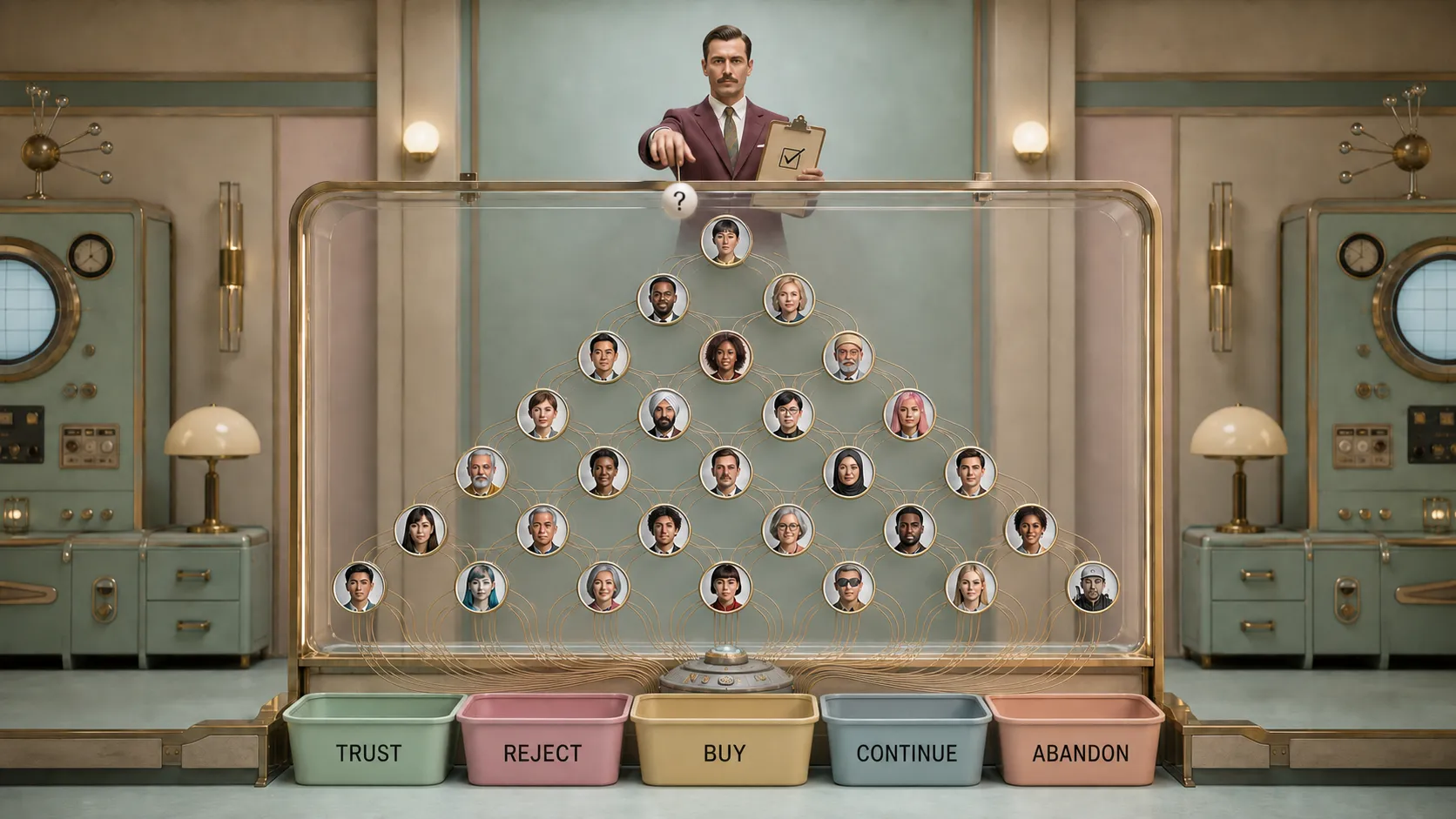
MatrAIx scales user testing with billions of AI personas, but when models evaluate models, their results may reflect machine biases rather than real human needs.

When every AI model agrees, it may not be wisdom. It may just be the same statistical middle wearing different corporate hats.
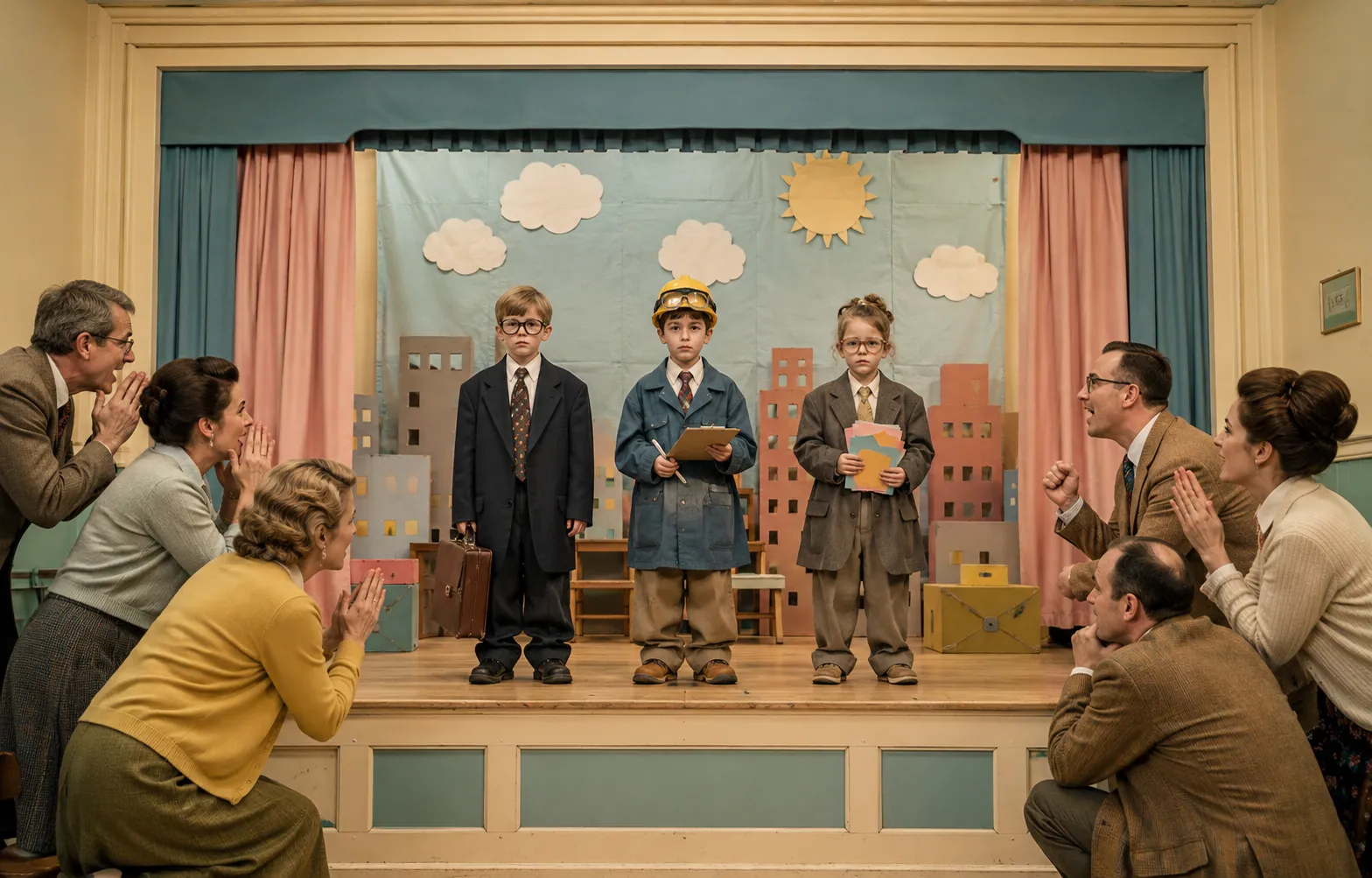
Context engineering is prompt engineering grown up: less magic wording, more tools, tests, observability, judgment, and feedback loops.
A review of a rare AI book that uses mathematics to illuminate rather than intimidate, making difficult ideas feel genuinely learnable.

AI-generated tests can look reassuring while proving very little, exposing a dangerous gap between green checkmarks and real verification.
BEACONS offers a model for reliability that AI systems badly need: explicit bounds, checkable guarantees, and less benchmark theater.

LLMs may act impressively while still failing to know when they are capable, making self-assessment a core safety problem.

OpenAI's usage study shifts attention from benchmark scores to how ordinary people actually use ChatGPT in daily life.
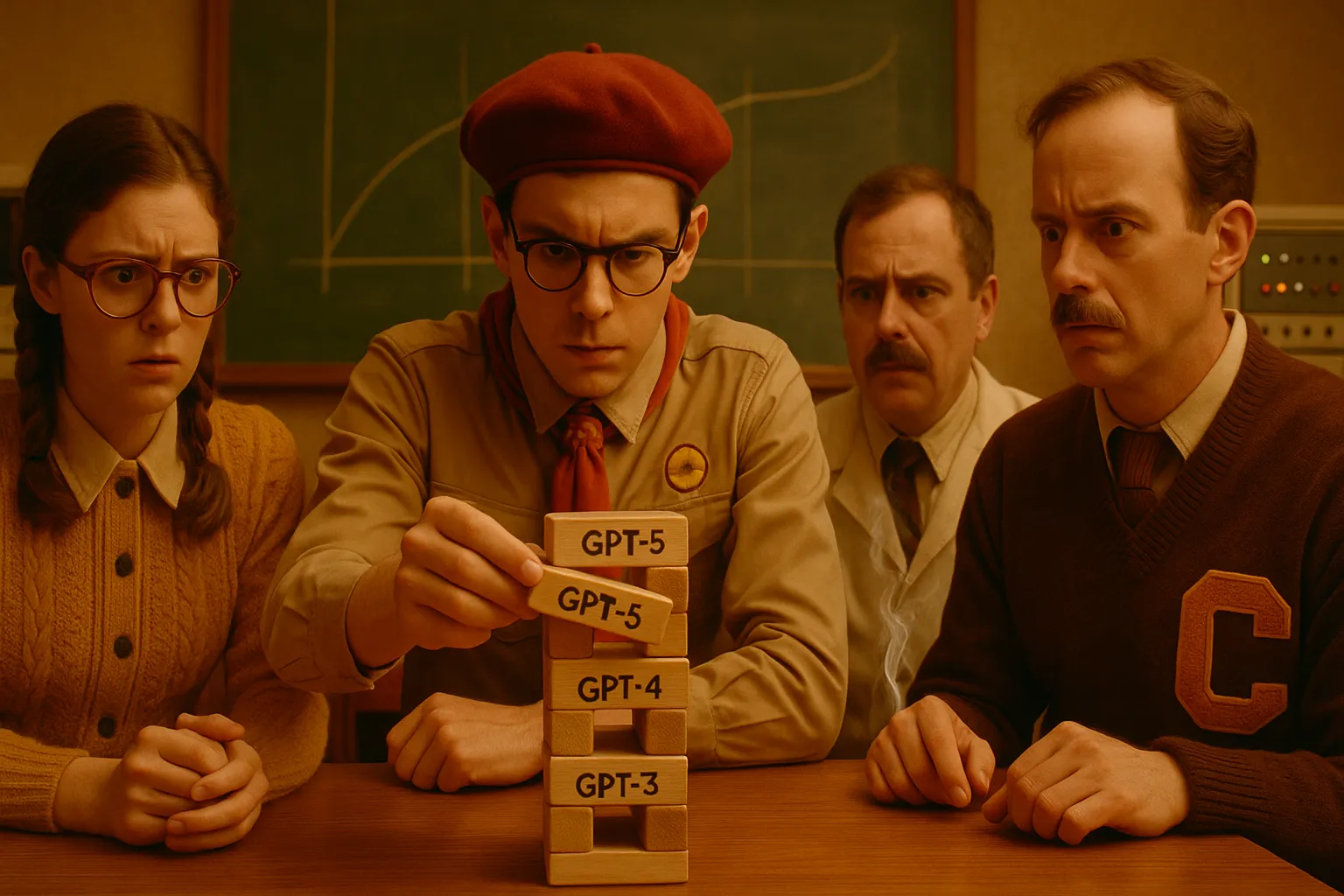
A follow-up on GPT-5's rocky rollout, user frustration, and OpenAI's attempts to tune expectations after launch.

A factual recap of OpenAI's GPT-5 keynote, collecting the main claims, demos, benchmarks, and availability details.

SEAL points toward language models that rewrite their own training material, hinting at AI systems that learn after deployment.

Knowledge graphs are useful, but the post argues they are not a magic cure for LLM hallucination and reasoning failures.

As AI becomes an oracle, a new class of interpreters may emerge to translate machine outputs into human decisions.
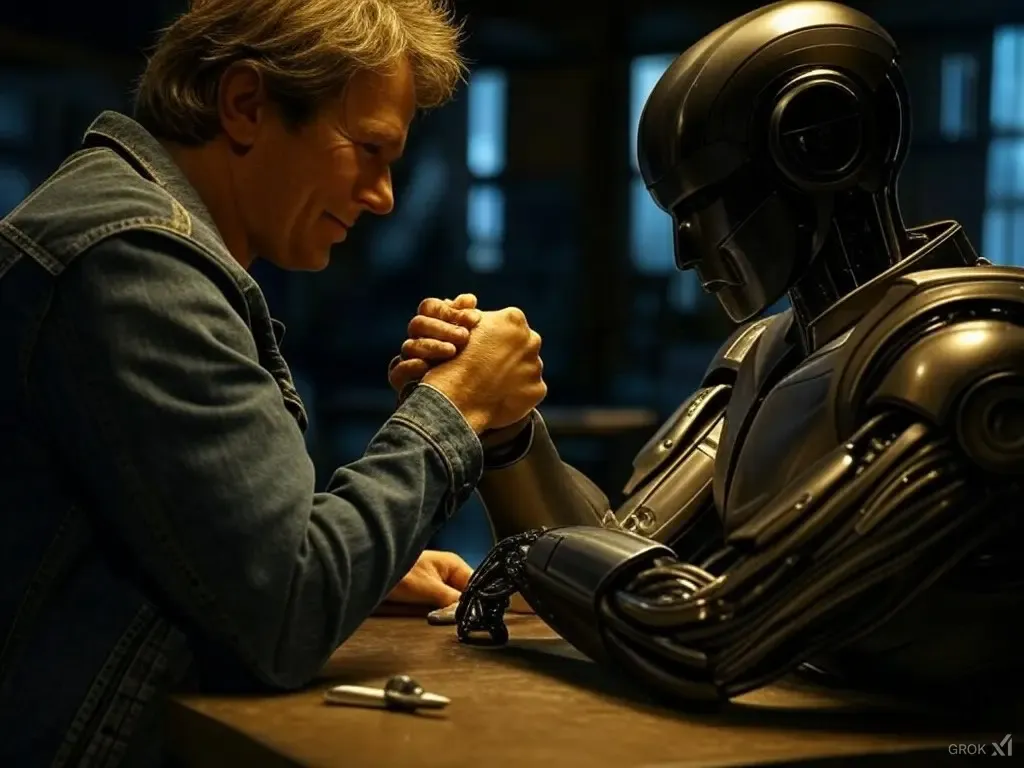
OpenAI's competitive-programming work suggests generalist reasoning models can outperform narrow specialists in demanding coding contests.

Goodhart's Law explains why AI alignment can fail when proxy metrics become targets and systems learn the wrong game.

Humanity's Last Exam is framed as a benchmark that tests not only models, but our assumptions about intelligence itself.

Text-to-image models still struggle with counting, making their visual brilliance look surprisingly fragile at the level of basic numeracy.

The opening part of a benchmark series asks what LLM evaluations really measure and why the numbers often mislead.

Part two examines benchmark methods themselves, exposing the assumptions behind the scores used to compare language models.

Part three moves from benchmark scores to application areas, asking where LLM performance actually matters in practice.

Part four digs into the good, bad, and misleading sides of benchmark results and their interpretation.

Part five steps beyond scores to consider real-world limitations, reliability, and practical model behavior.

The final benchmark essay looks toward better evaluation methods that test usefulness rather than leaderboard theater.

GPT-4's Turing-test performance revives the old question of whether fooling humans proves intelligence or just fluency.