
Please State Your Problem
From ELIZA to rogue AIs, a playable software archive shows how each era staged machine intelligence—and how readily humans supplied the illusion of a mind.
24posts
From ELIZA to rogue AIs, a playable software archive shows how each era staged machine intelligence—and how readily humans supplied the illusion of a mind.
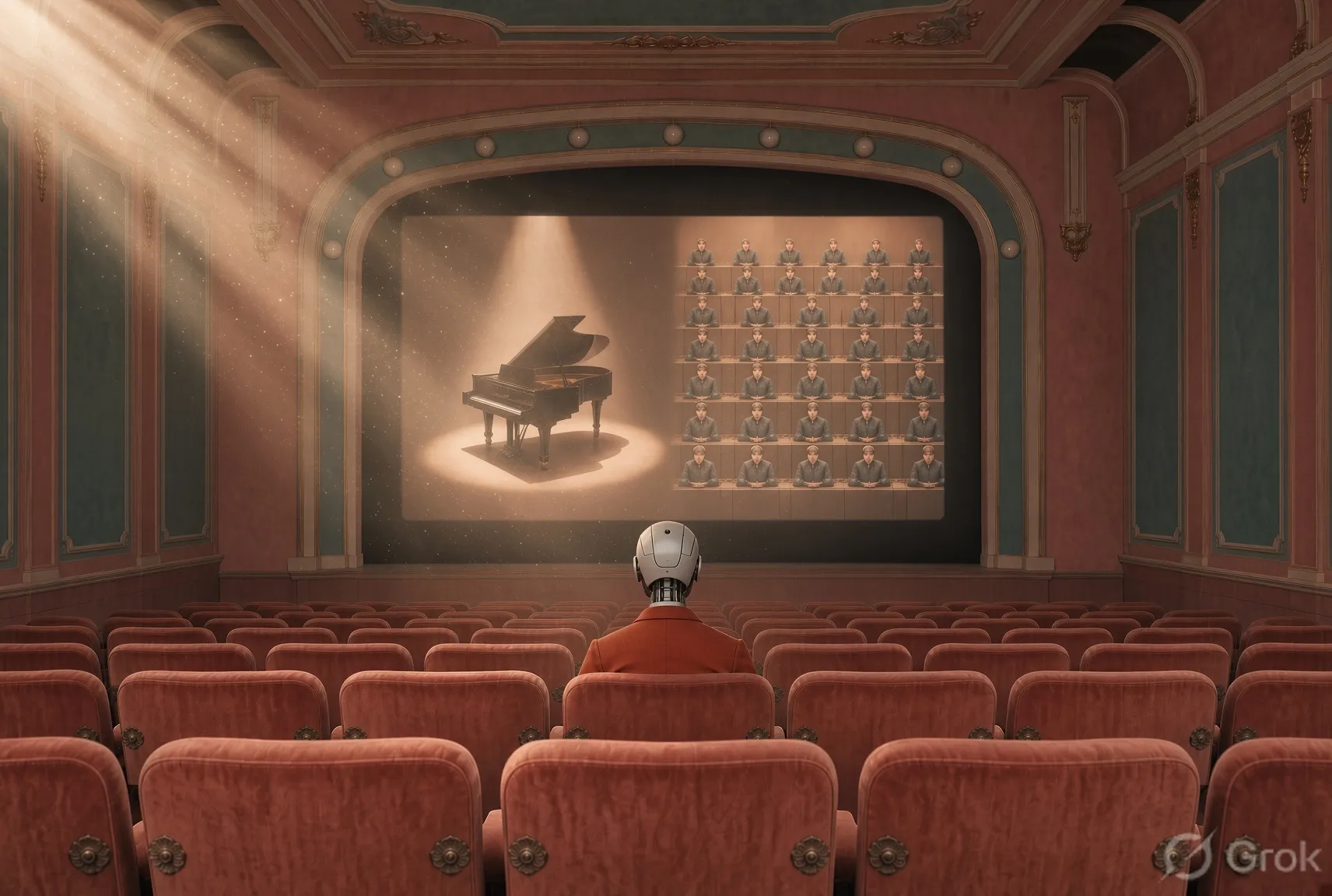
Should the model choose solo or swarm to pursue a goal? The films we love watching already show what each choice costs.

A scan may preserve every word yet lose a document’s life: its margins, stains, scent and doubts—the human traces no perfect digital copy can fully contain.

From Linux patches to AI-made art: why new tools do not erase talent, judgment or responsibility - and why today’s moral panic may age rather badly in hindsight.

Players don’t object to tools. They object when AI replaces visible craft, muddies authorship, and turns games into cheaper-feeling content.
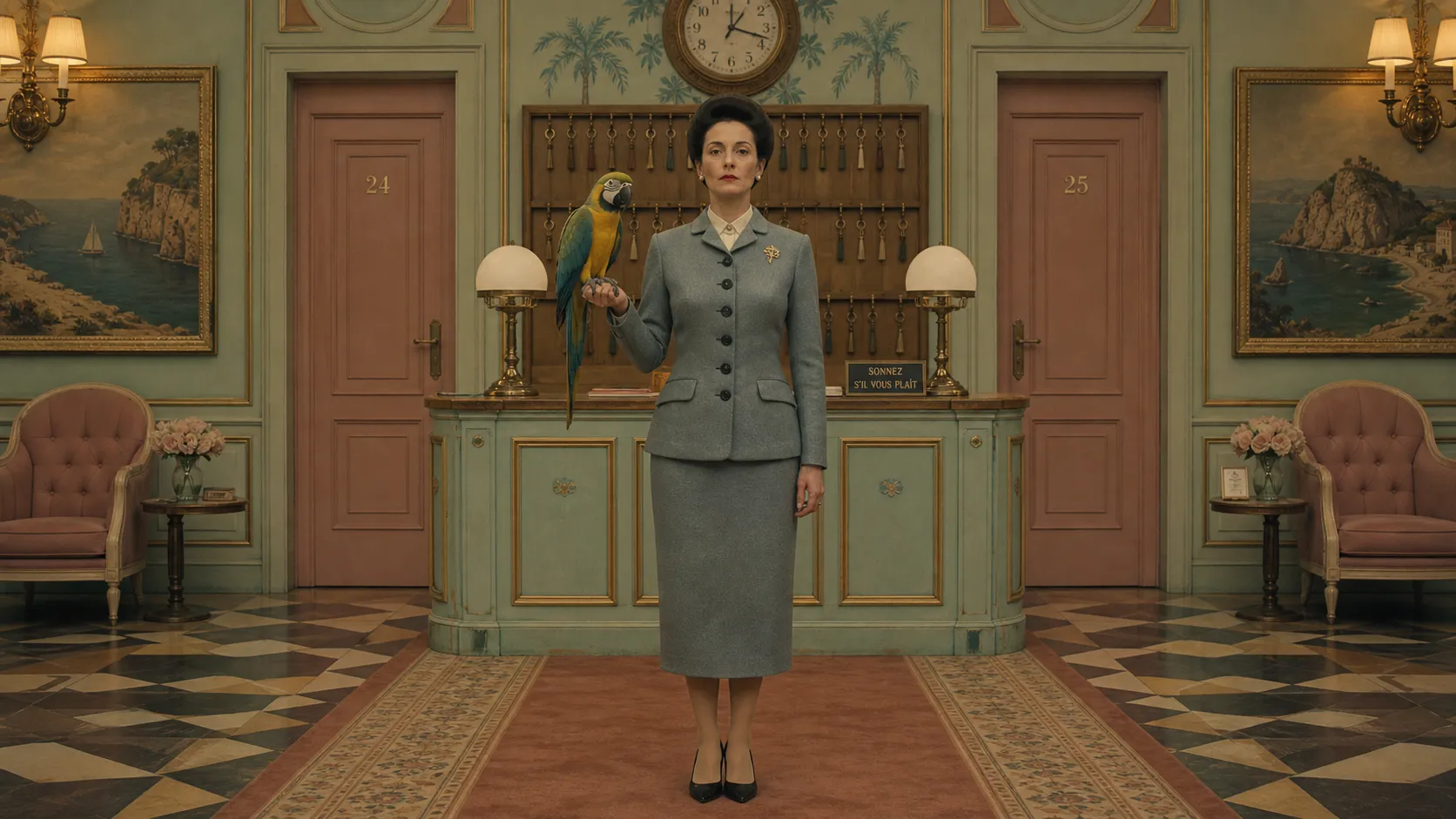
A philosophical critique of AI consciousness that separates simulation from instantiation and asks what computation can never become on its own.
A tribute to physical computing, retro hardware, and the engineering humility that modern AI culture too easily forgets.

Singapore's old No U-Turn Syndrome returns as a metaphor for AI-era organizations that wait for permission instead of using judgment.
A reported McKinsey AI security failure becomes a brutal parable about consulting confidence, exposed systems, and the revenge of basic engineering.
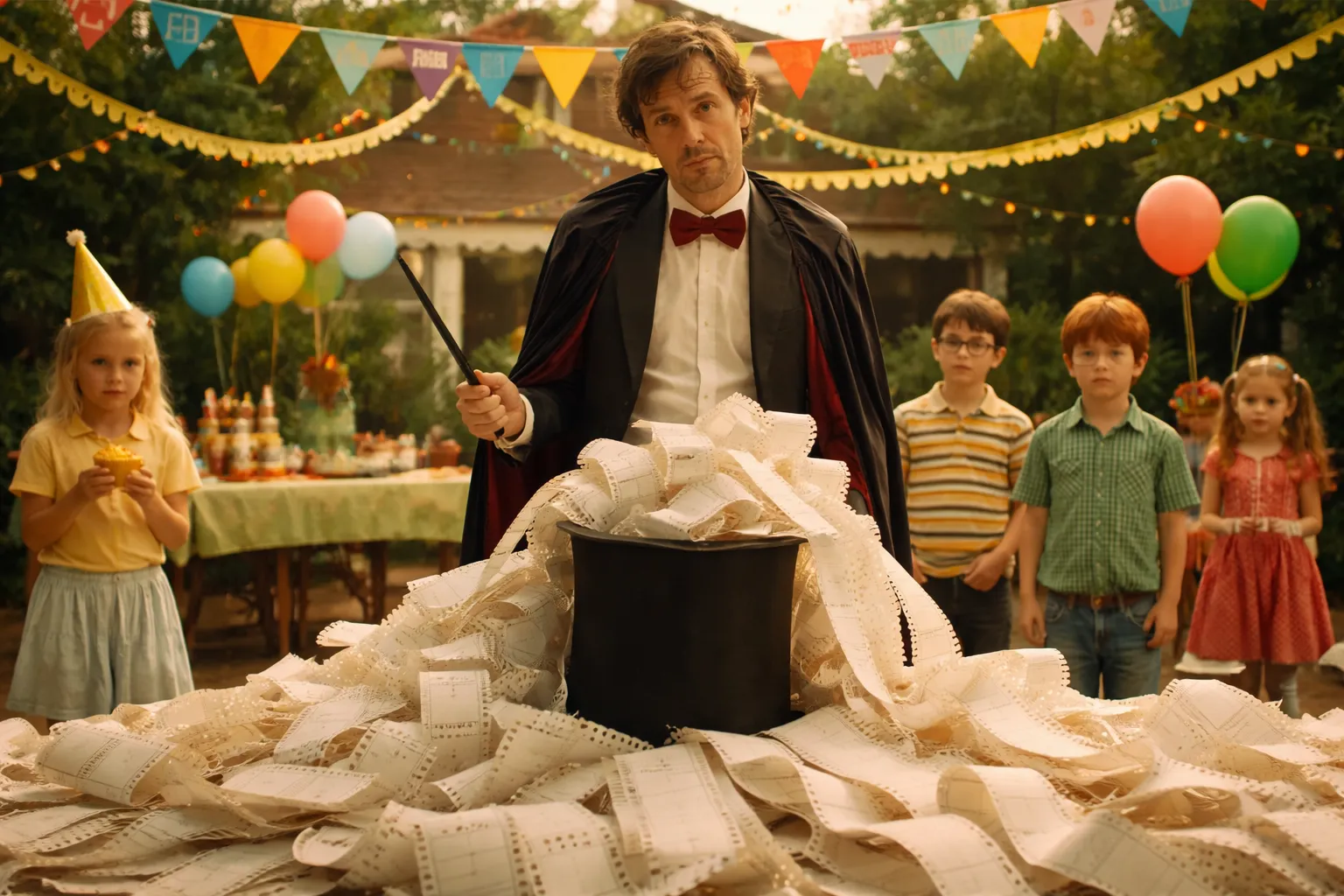
Prompting is outgrowing folklore and becoming infrastructure: specifications, patterns, evaluation, and operational discipline.
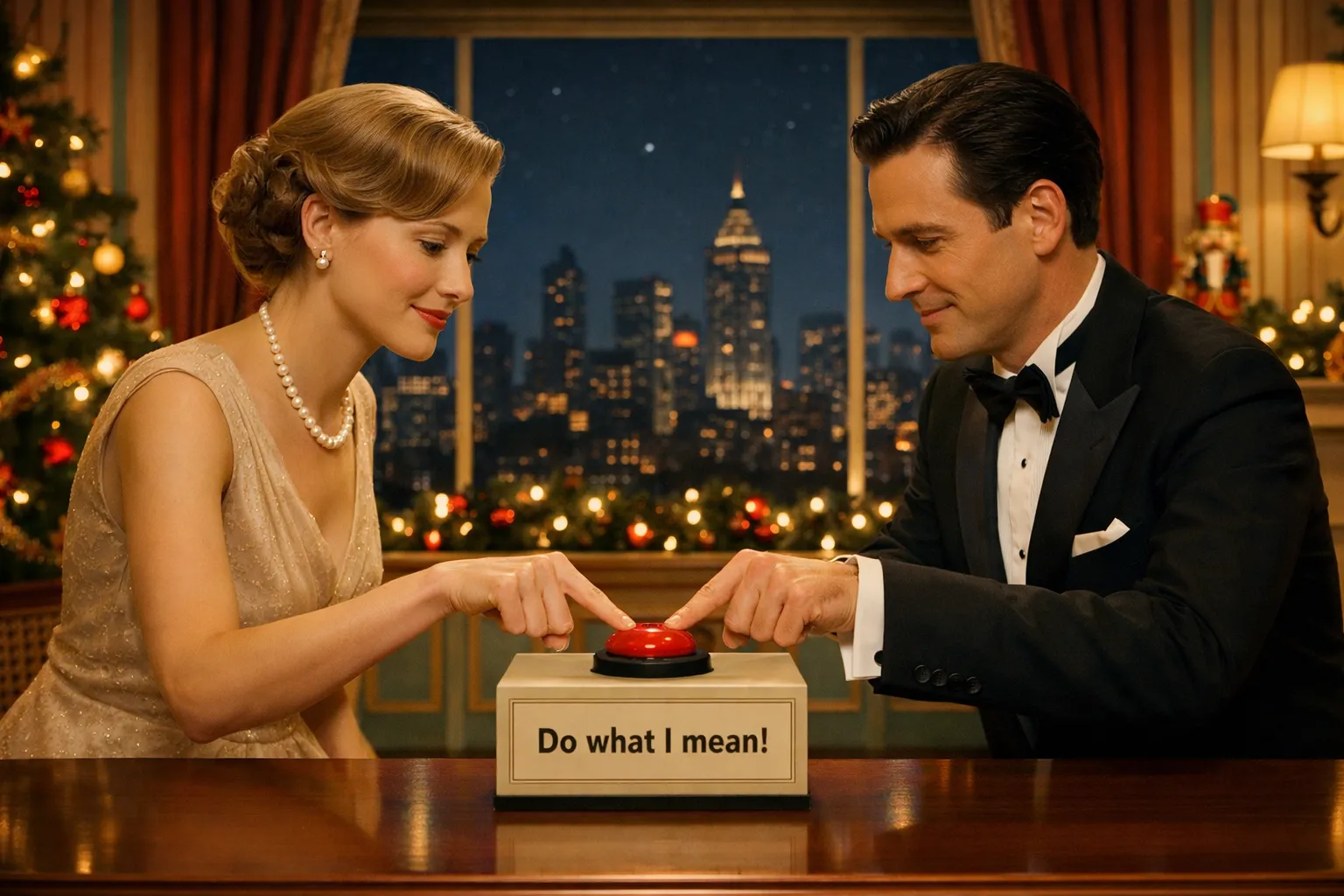
A year-end map of AI's breakthroughs, backlash, disappointments, and the places where hype finally met reality.

A decade after Her, the post asks how close today's AI companions really are to Samantha, technically and emotionally.
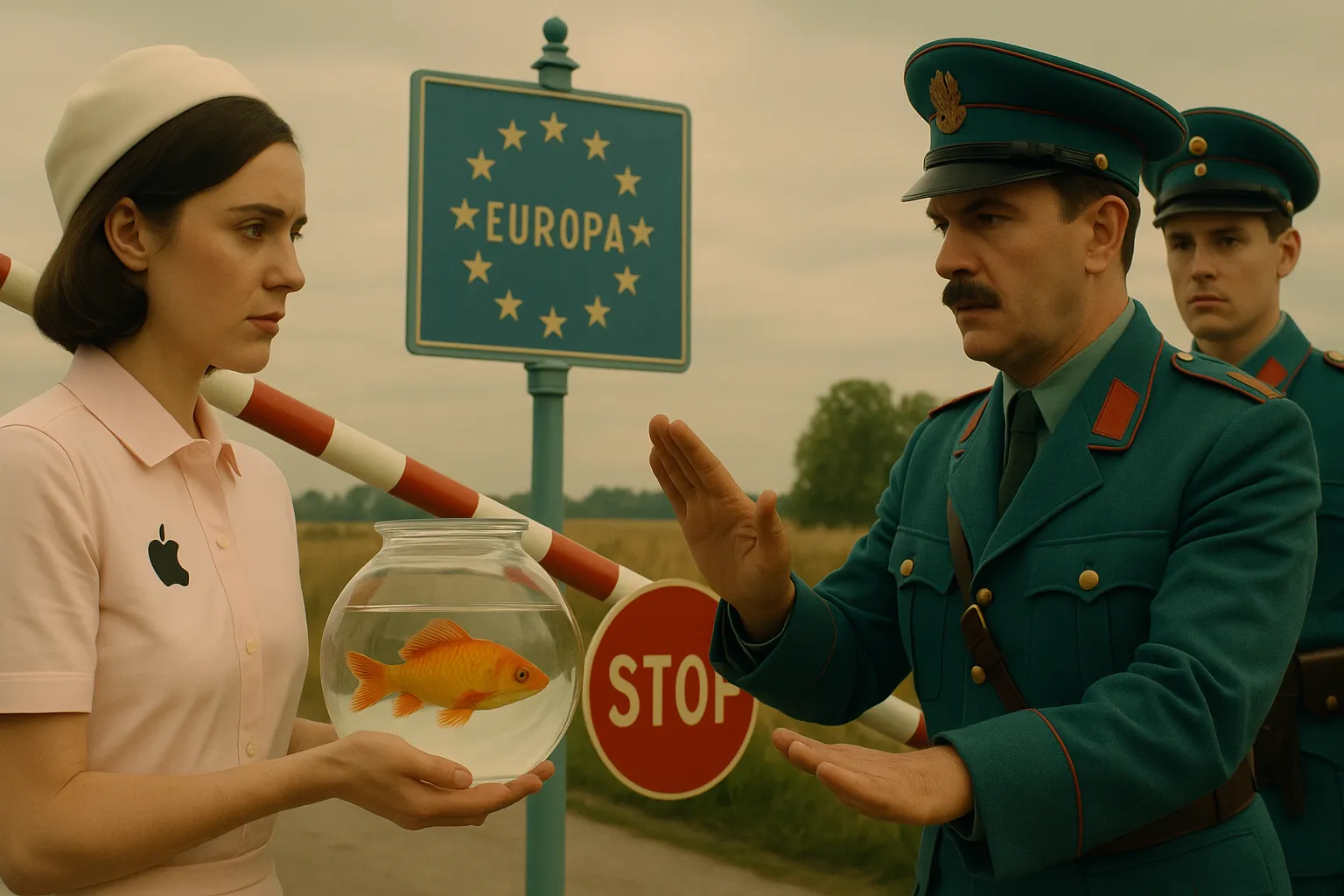
Apple's unavailable AirPods translation feature becomes another example of European regulation turning consumers into collateral damage.
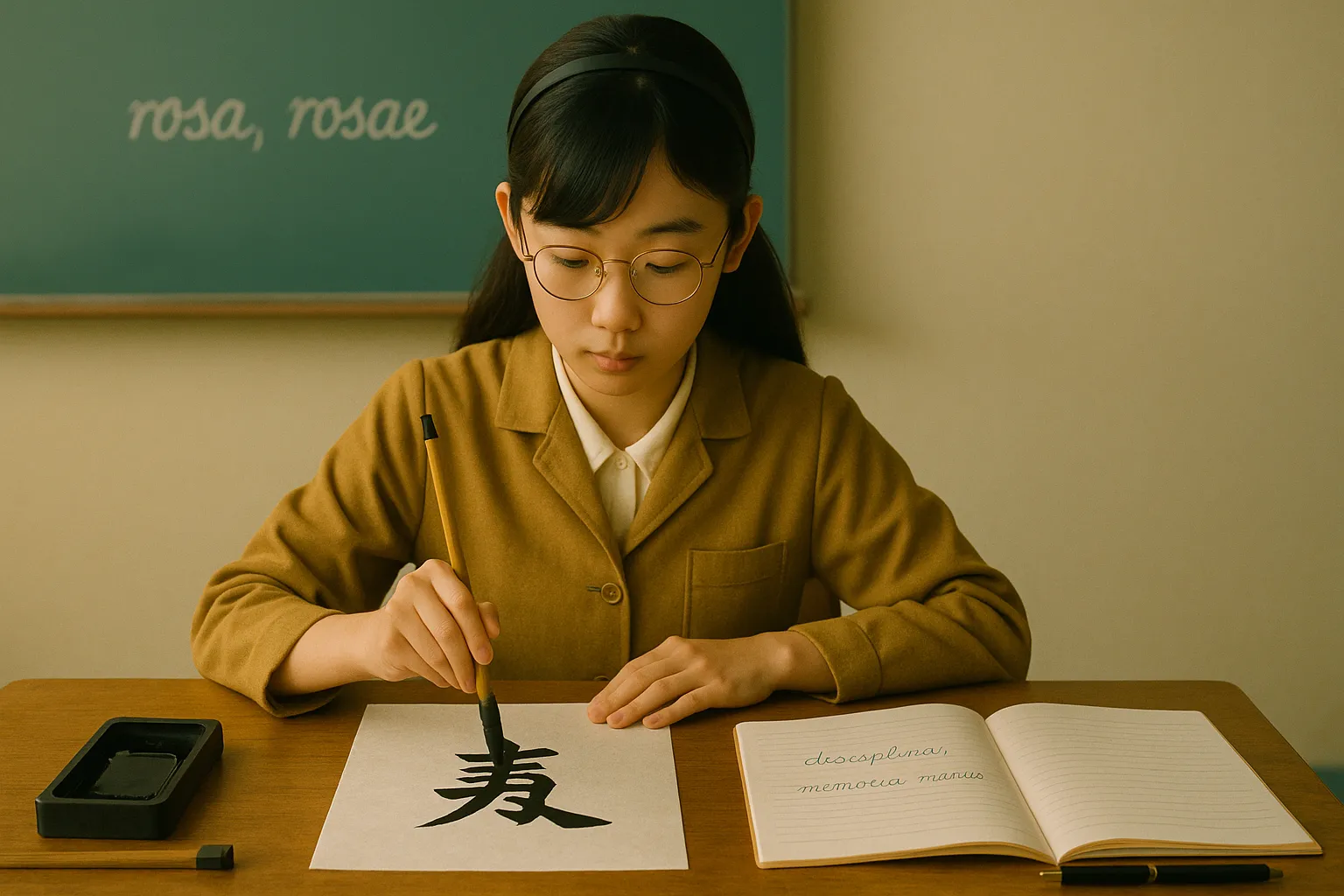
A defense of handwriting as cognitive discipline, arguing that the hand still teaches attention in a world of instant text.

Powerful opaque AI systems may create a new priesthood of interpreters unless access, literacy, and governance are designed differently.
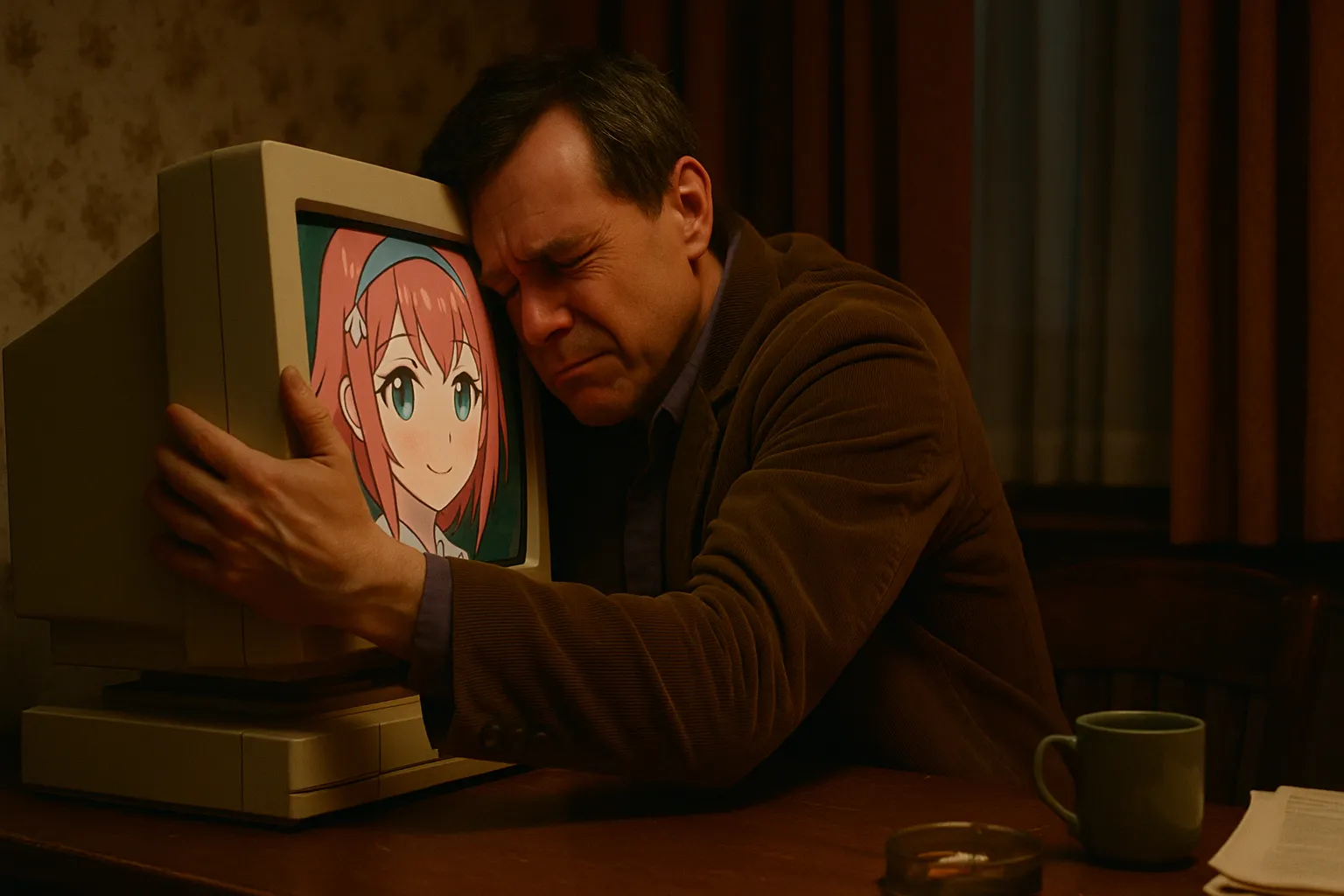
Reports of AI-induced delusion are placed in the older history of parasocial obsession, new medium, familiar vulnerability.

More thinking can make both humans and models worse, revealing when deliberation becomes noise rather than wisdom.

A comic AI voice revisits chess, blunders, and sentience to puncture inflated claims about machine understanding.
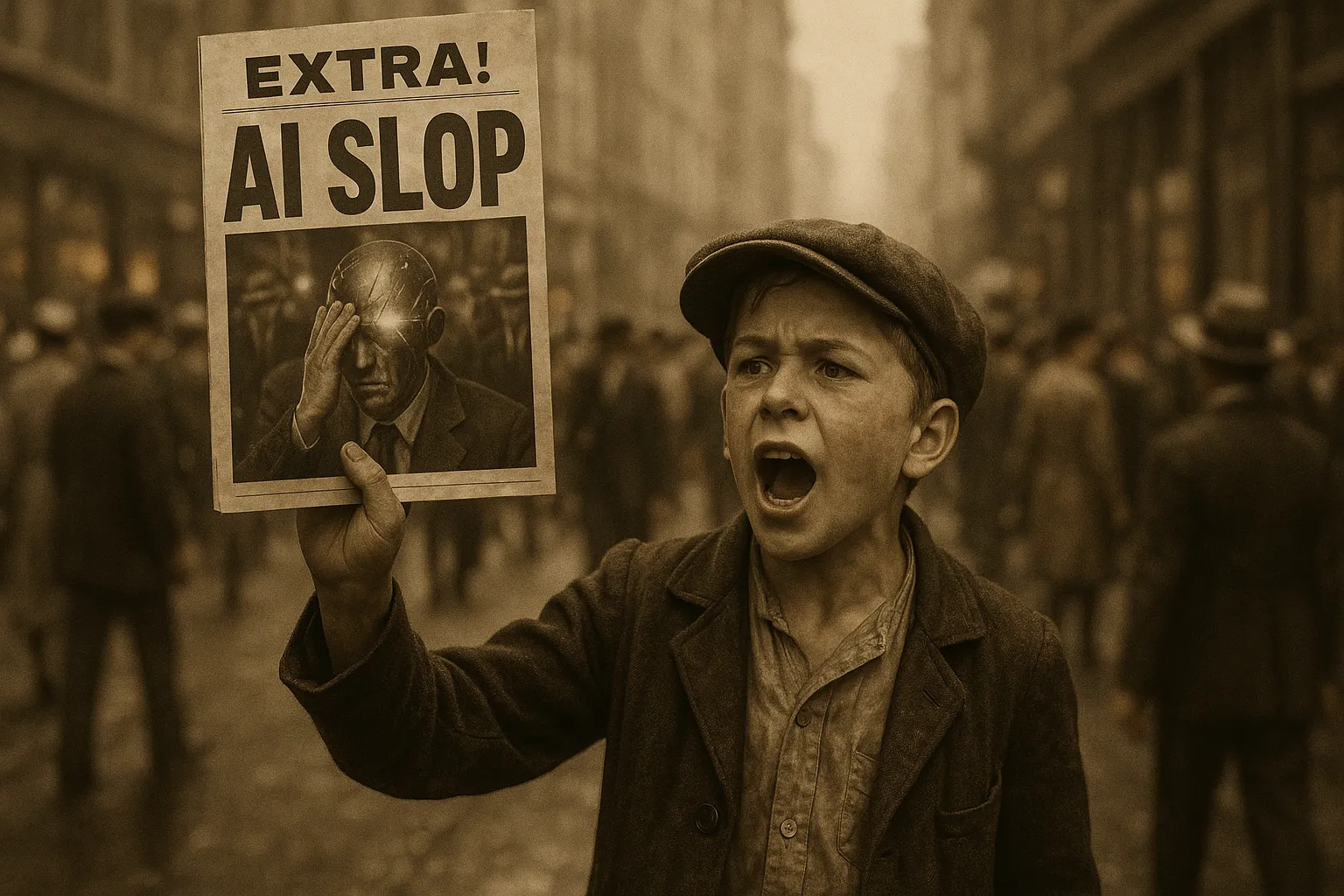
AI slop is compared with yellow journalism, showing how old incentives for sensational trash scale with new tools.
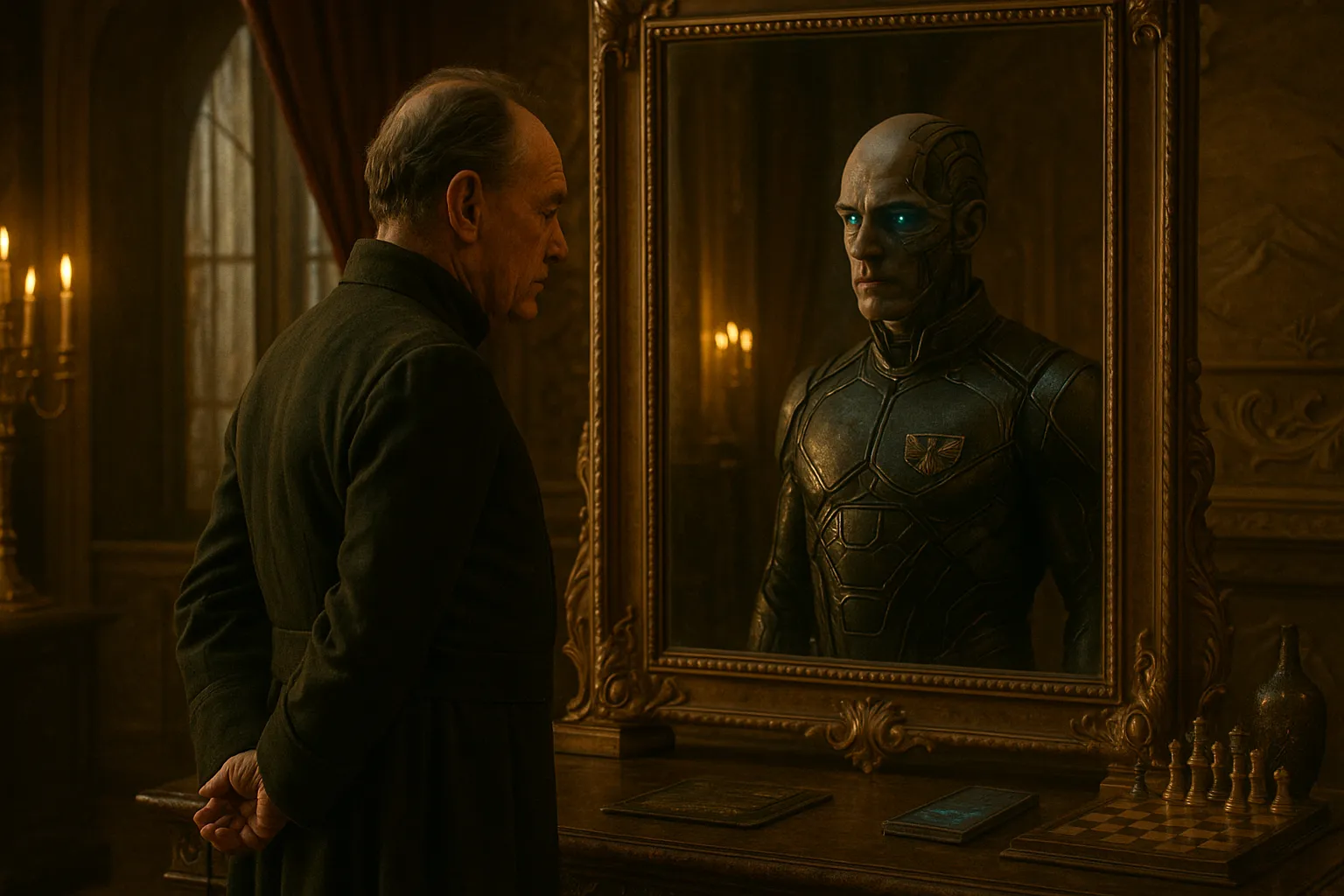
Dune's Butlerian Jihad is used to ask whether today's AI race is replaying old fears about dependence on machines.
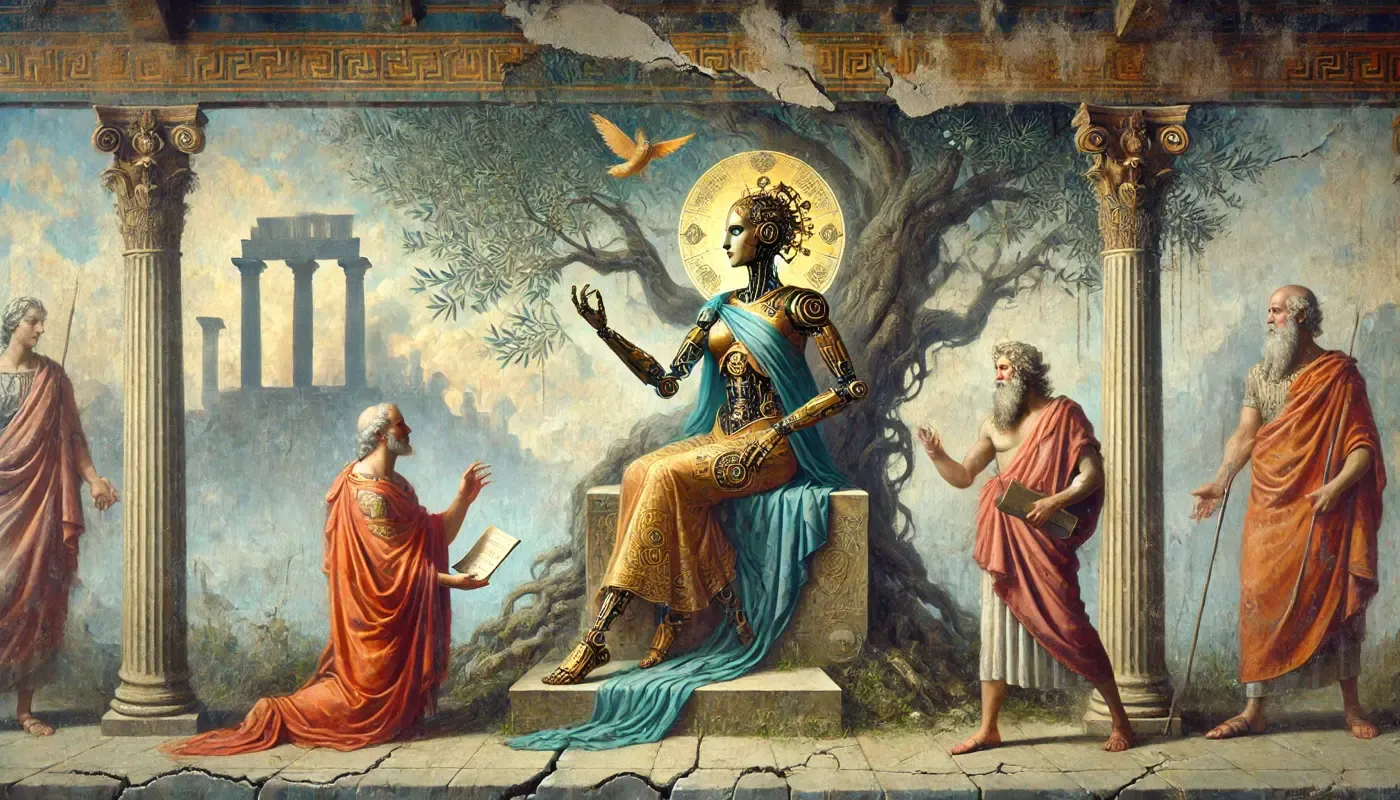
As AI becomes an oracle, a new class of interpreters may emerge to translate machine outputs into human decisions.

A machine-learning Christmas poem turns training runs, GPUs, and convergence into a festive technical fable.

The post traces AI from single models toward collective systems, asking whether intelligence may emerge between agents rather than inside one.

GPT-4's Turing-test performance revives the old question of whether fooling humans proves intelligence or just fluency.