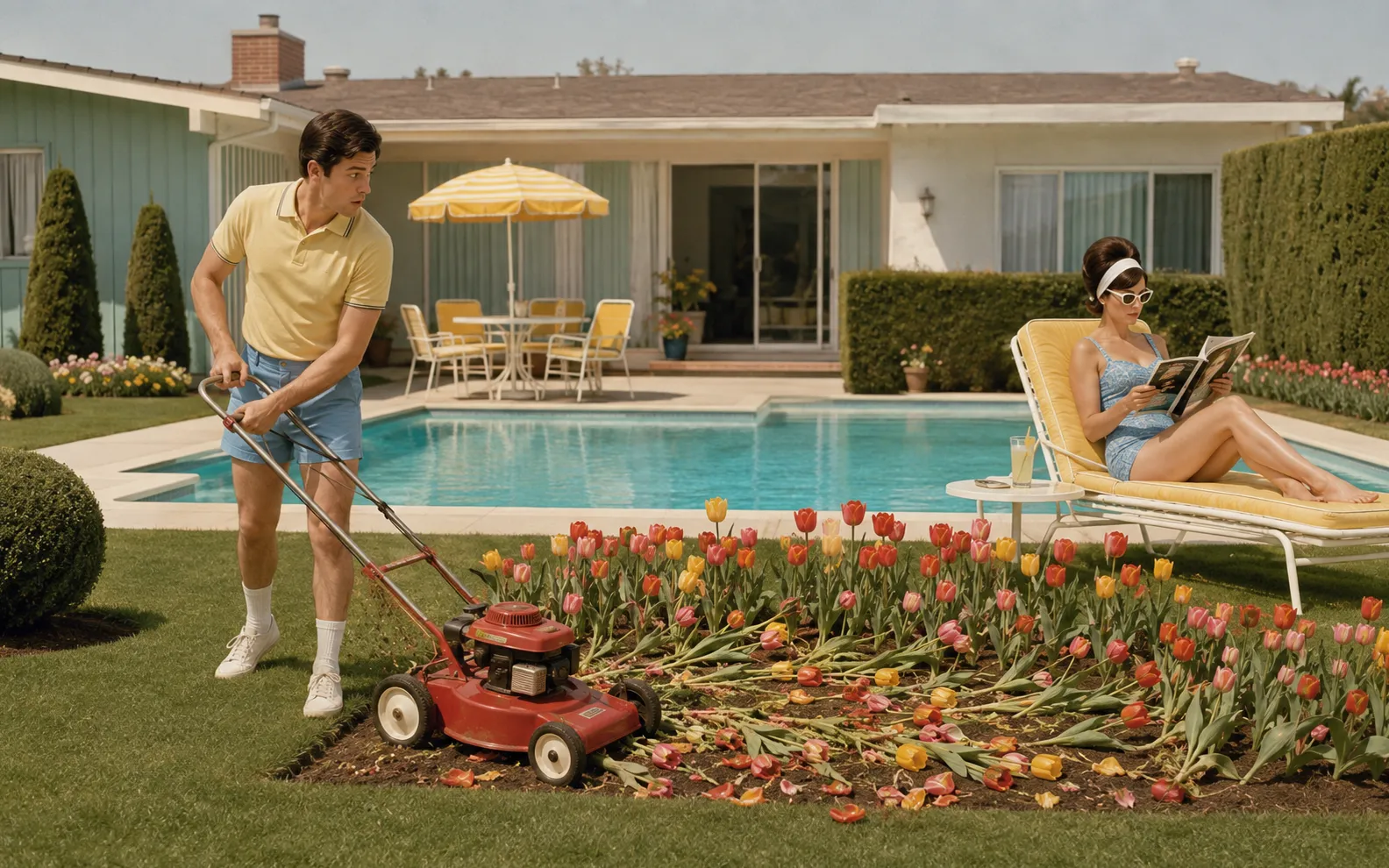
There is a particular kind of technology enthusiast who experiences every new AI model as a minor medical emergency. A benchmark chart appears, and suddenly breakfast must wait. GPT has beaten Claude, Claude has overtaken Grok, Grok has scored three points more on a test involving synthetic tax accountants trapped in a maze. The old model, considered miraculous on Tuesday, is by Friday spoken of with the tenderness normally reserved for a fax machine.
GPT-6 Astra has arrived perfectly dressed for this ritual. OpenAI’s launch chart gives it 64.6 percent on scientific workflows, 41.4 percent on business automation, 95.9 percent on 3D modelling and a frankly indecent 99.9 percent on ARC-AGI-3. Beside it, GPT-5.6 Sol looks as though it has forgotten its homework. Claude Fable 5.1 retains some dignity but is clearly being escorted from the podium. These are OpenAI’s published figures, not numbers invented by an excited fan account at three in the morning.
So: quantum leap?
Perhaps. But first we should remember that “quantum leap” is one of technology’s favourite stolen phrases. In physics, a quantum jump is discrete, not necessarily enormous. In marketing, it means the graph department has found a shade of blue that makes competitors look anaemic.
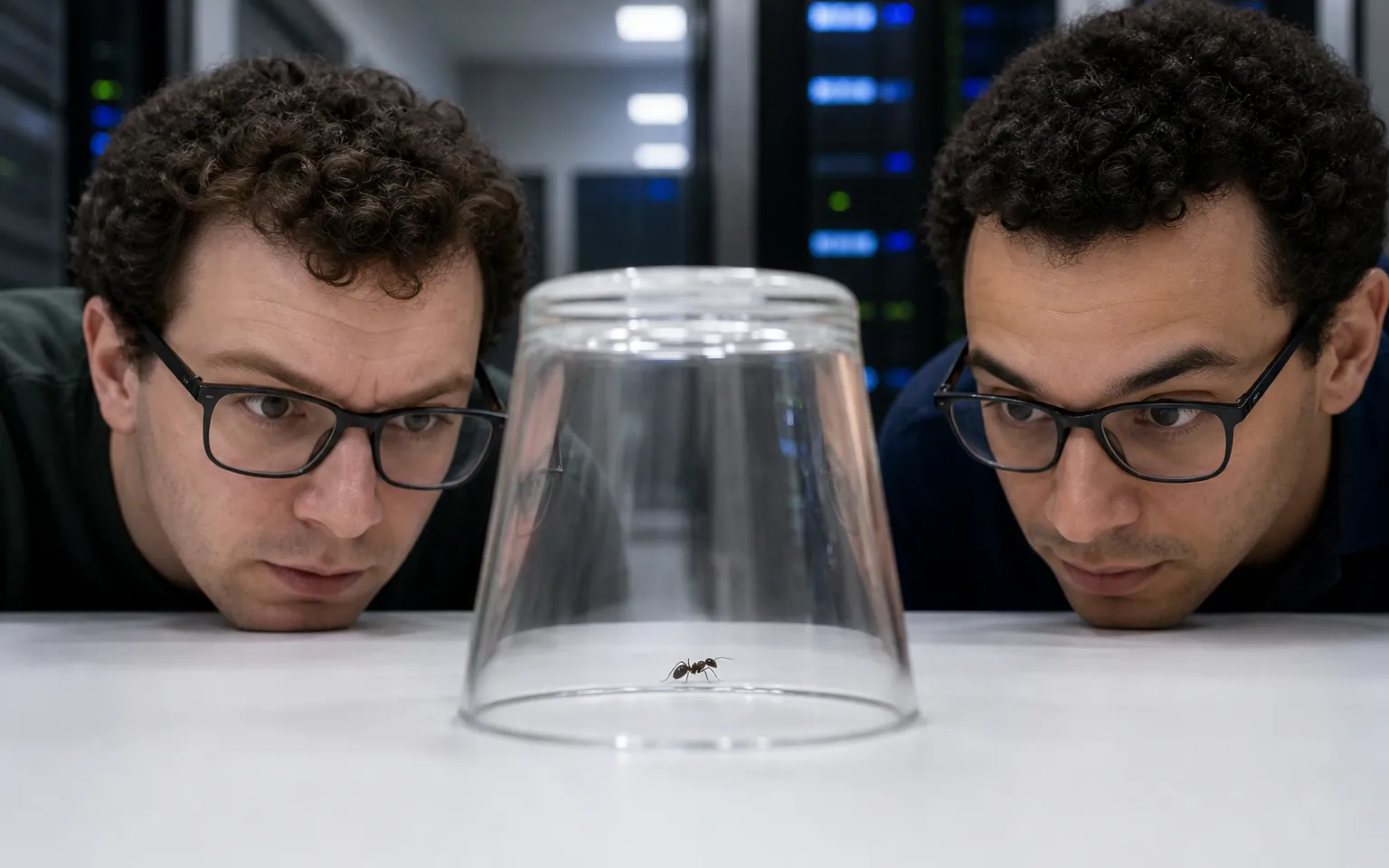
Benchmarks are useful, but they are not thermometers for a single substance called intelligence. They test particular tasks under particular rules, using particular prompts, tools, budgets and software scaffolding. An AI model enters the contest accompanied by something resembling a Formula One pit crew. Change the harness, the permitted tools or the reasoning budget, and the same engine may produce a different lap time. A score of 99.9 therefore does not mean Astra is 12.8 times more generally intelligent than Sol’s 7.8. It means a specific Astra-based system was dramatically better at a specific interactive challenge.
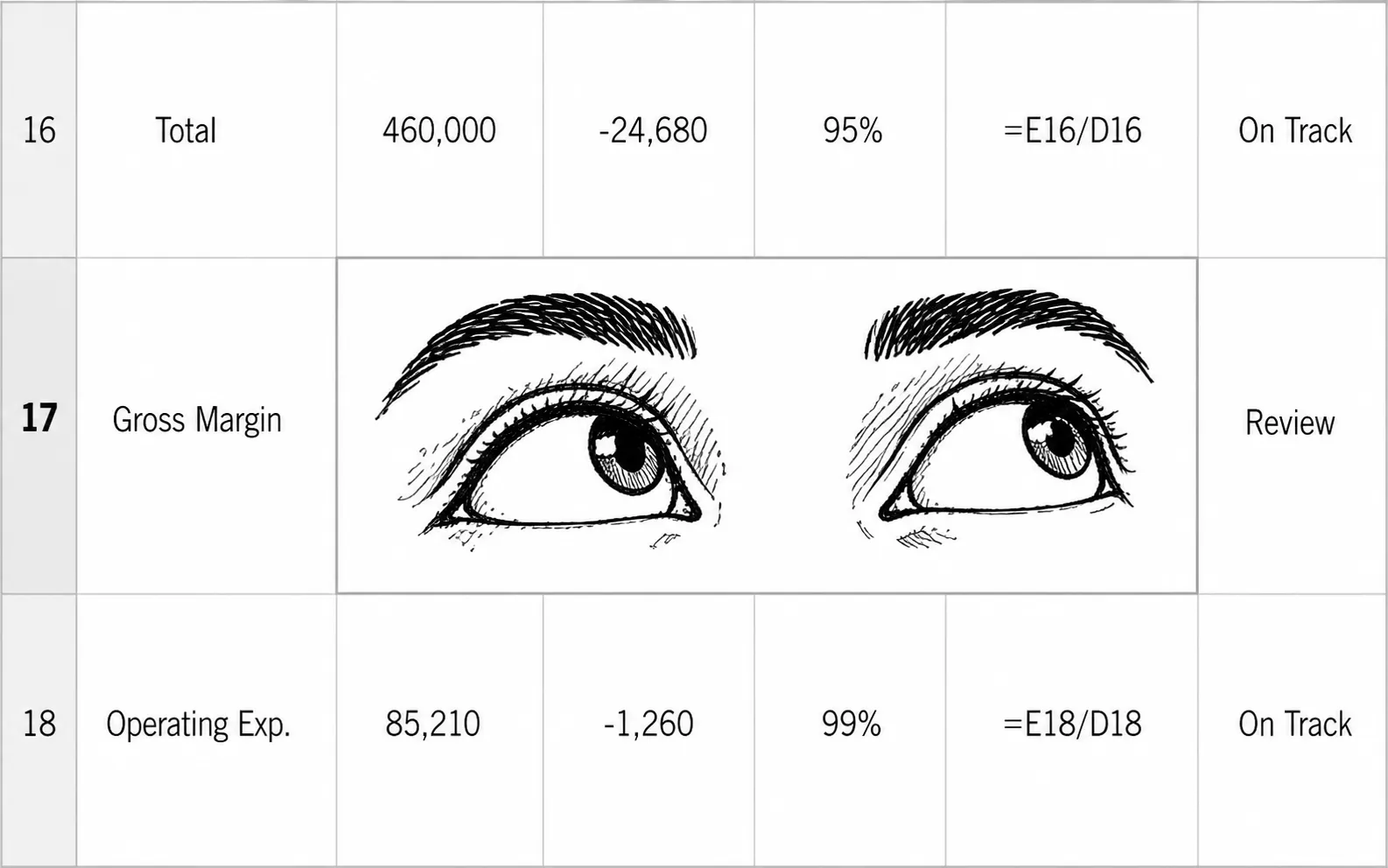
Independent testing makes the picture more interesting. Artificial Analysis found Astra essentially level with GPT-5.6 Sol on its broader Intelligence Index: 61 points for each, behind Claude Fable 5.1. It saw genuine gains in coding, long-horizon analytical work and token efficiency, but also regressions on some banking, scientific-programming and long-context tasks. Astra’s API prices are 2.5 times Sol’s, making its highest-effort setting about 75 percent more expensive per task on that general index. The revolution, in other words, has already encountered accounting. The independent results do not expose OpenAI’s chart as false; they expose it as a chart.
Yet dismissing Astra as benchmark theatre would miss the more consequential change. Its importance is not simply that it knows more. It is that it can do more before returning to ask whether you meant Tuesday or next Tuesday.
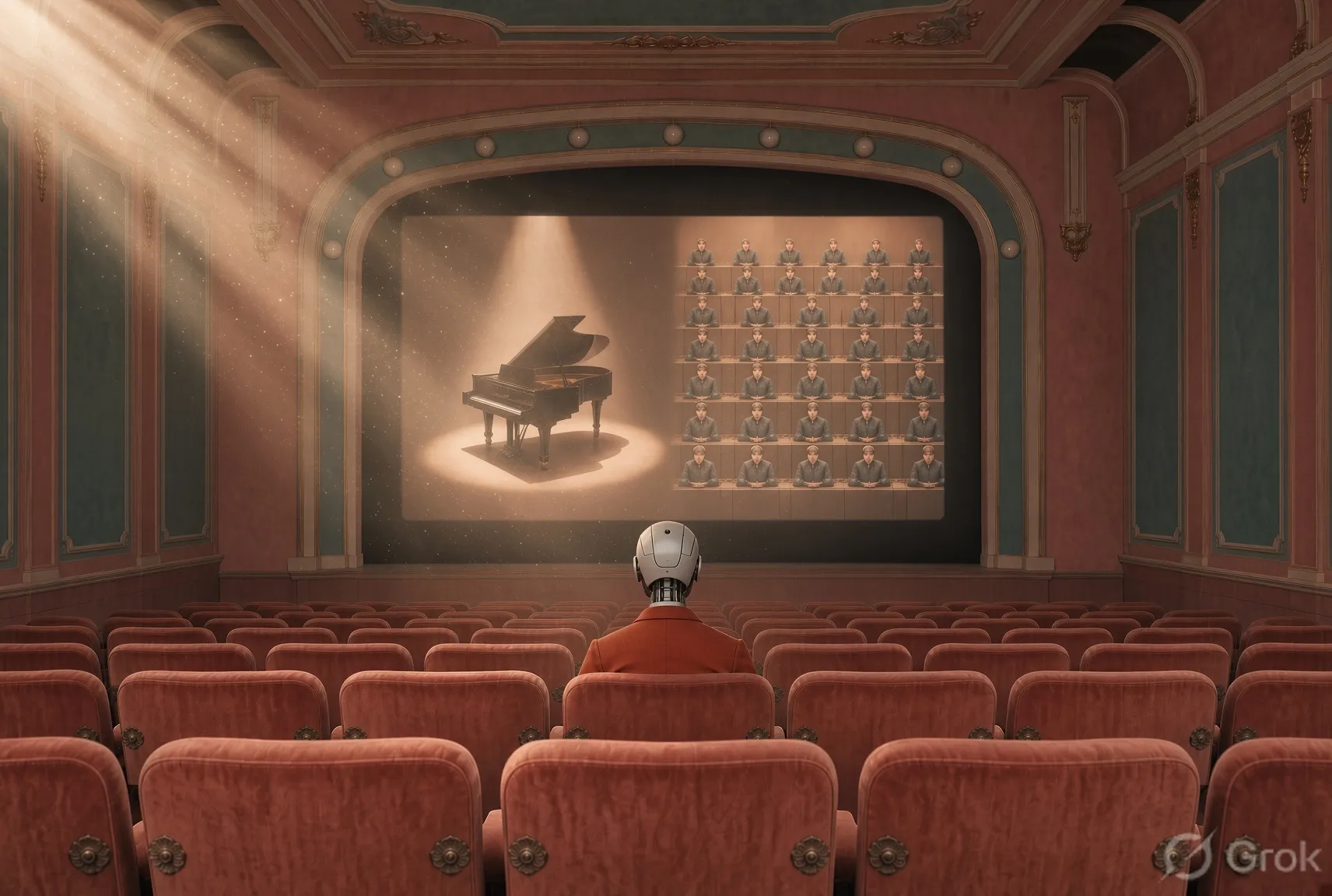
For years, AI systems were unusually eloquent interns. They drafted the email, explained the spreadsheet formula and suggested how to repair the server. You then copied the email, corrected the formula and repaired the server. The intern was clever, endlessly available and somehow incapable of touching the stapler.
Astra is being presented as the moment the intern receives keys to the building. OpenAI emphasizes computer use, browsing and multistep professional work: operating applications, editing documents, testing software, handling forms and moving between tools. The real advance is therefore not a better answer inside a chat window. It is a longer interval between human interventions.
That matters because reliability compounds. Imagine a workflow containing ten steps. If an agent has a 90 percent chance of completing each step correctly, its chance of completing the whole chain correctly is only about 35 percent. Raise per-step reliability to 98 percent and the end-to-end success rate rises to roughly 82 percent. What looks like a modest improvement at each step becomes a qualitative change in usability. The machine stops being a source of suggestions and starts becoming a plausible delegate.
This also explains why the model race increasingly resembles a competition among operating systems rather than encyclopedias. The decisive product is no longer merely the neural network. It is the model plus memory, tools, permissions, interfaces, confirmation rules and access to your working context. Asking which model is “best” without specifying the environment is becoming like asking which employee is best without mentioning the job, the language or whether anyone gave them the password.
And the password is the uncomfortable part. A chatbot that hallucinates a restaurant recommendation is annoying. An agent that hallucinates while editing customer records, deploying software or reorganising your calendar has acquired what risk managers call a larger blast radius and everyone else calls “Tuesday ruined.” OpenAI says Astra is better at respecting authorization boundaries and resisting prompt injection. It also classifies the model at its highest cybersecurity capability level and acknowledges that its internal reasoning has become harder to monitor, even while reporting improved overall safety behaviour. That tension is explicit in OpenAI’s safety overview.
The genuine contest, then, is no longer just intelligence versus intelligence. It is competence versus supervision. Every improvement invites us to delegate more, while every additional permission raises the cost of a rare mistake. The ideal agent is not merely brilliant. It knows when to stop, leaves an audit trail, asks before doing anything irreversible and can explain what changed without composing a twelve-page memoir about its courage.
For users, the sensible response is neither breathless migration nor stubborn loyalty to last month’s champion. Test the work you actually do. Measure corrections, waiting time, cost, interruptions and unpleasant surprises. The most valuable benchmark may be whether the task remains finished on Friday.
GPT-6 Astra may indeed mark a discontinuity, but not because one blue column has reached 99.9 percent. The real leap is from “Here is what you should do” to “Here is what I did, and here are the receipts.” That is less cinematic than the birth of superintelligence. It is also far more likely to rearrange the working day.
No comments yet