
The Apology Is Extra
As AI gets smarter, mistakes get pricier. Who defines a wrong answer, who bears the blame, and why does the meter keep running through yet another apology?
33posts
As AI gets smarter, mistakes get pricier. Who defines a wrong answer, who bears the blame, and why does the meter keep running through yet another apology?

Bill Gates, lifelong champion of efficiency, now argues that some human work may be worth protecting precisely because it cannot—and should not—be optimized.

Cut enterprise AI costs with smarter model routing, leaner context, prompt caching, bounded agents and task-appropriate file formats.

AI is reshaping the value of degrees and apprenticeships, rewarding adaptable people who combine critical thinking, practical skills and human judgment.

Machines do not have to think like us to change our lives. A visit to tomorrow’s AI museum asks what happens while we are still arguing over the word AGI on X.

AI’s prophets discover job loss when it reaches PowerPoint. A four-sentence manifesto demands action—while carefully avoiding who must act, and how.

Apple’s lawsuit exposes OpenAI’s IPO dilemma: a trillion-dollar AI tenant built on rented compute, borrowed infrastructure and highly mobile talent.

A sharp look at which white-collar roles AI may not merely change, but quietly make obsolete, and why polite language hides the scale of the shift.
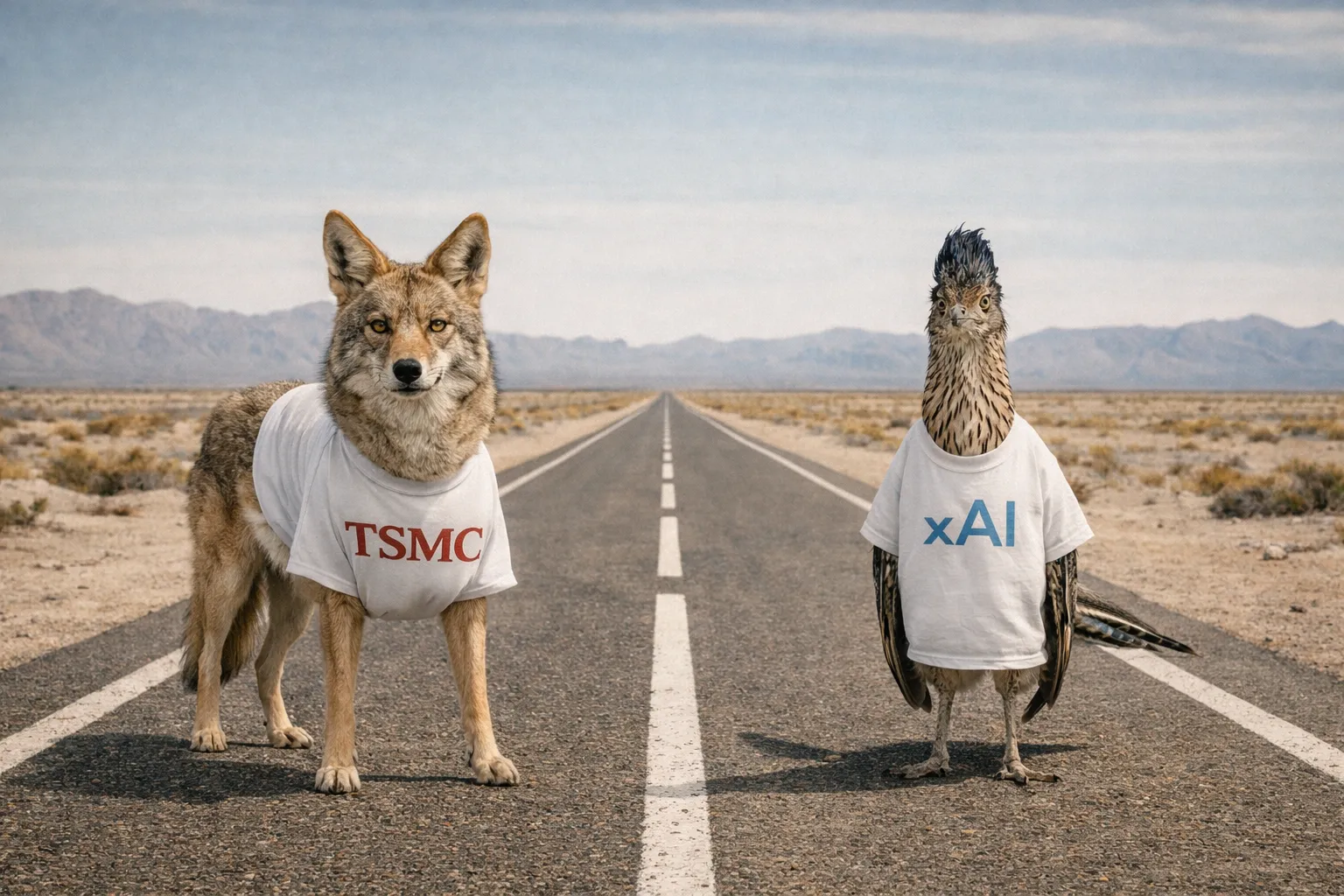
Musk's chip-factory ambition becomes a case study in impatience, vertical integration, and the difference between strategy decks and industrial action.

Anthropic's labor research suggests AI is not replacing whole jobs so much as fragmenting knowledge work task by task.

The laptop class may be more exposed to AI than it admits, because text-heavy office work is exactly where models thrive.

AI speed can create exhaustion rather than relief when output accelerates but judgment, review, and responsibility remain human.

Behind efficiency promises, workplace AI may reshape pressure, monitoring, and cognitive load in ways managers prefer not to measure.
Traditional consulting is attacked as performance without results, with AI exposing how much of the industry was polished busywork.

xAI's Colossus 2 announcement is less about one data center than about the escalating geopolitics and economics of compute.

AI adoption fails when organizations confuse access to tools with mastery of the craft needed to use them responsibly.

Generative AI did not invent office busywork; it made the fakery cheaper, faster, and much harder to deny.
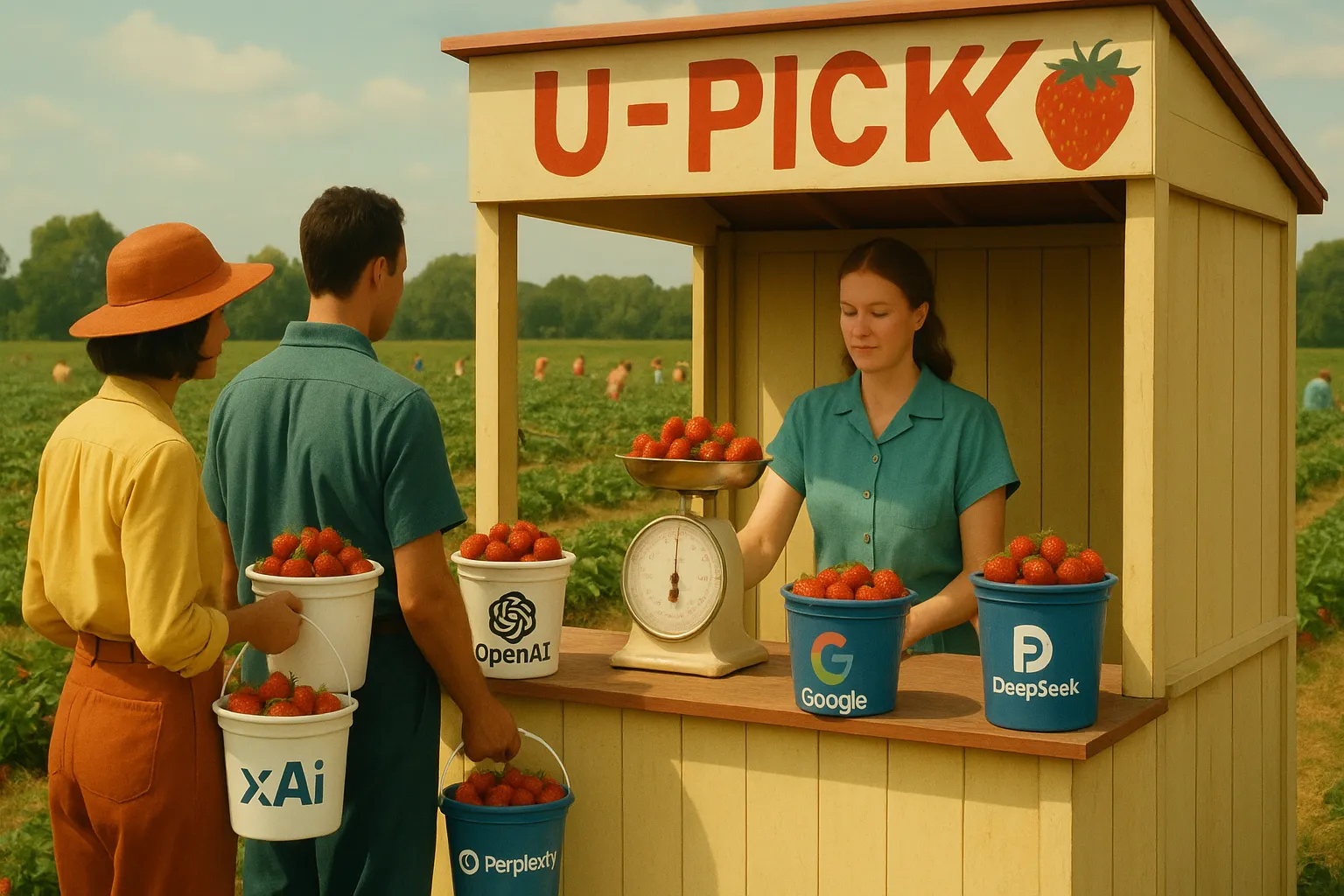
RSL 1.0 proposes a machine-readable licensing layer for the AI web, giving publishers a clearer way to state usage terms.
A practical consulting offer for SMEs that want AI adoption grounded in strategy, automation, risk management, and working systems.

Musk's idea of using idle Teslas for inference turns a car fleet into a provocative vision of distributed AI infrastructure.

Europe's Jupiter supercomputer is impressive, but the post asks whether regulation and dependency will blunt its strategic value.

If AGI makes money less meaningful, why are AI companies raising so much of it? The contradiction becomes the story.

The AI boom is compared with dot-com excess, asking which parts are durable infrastructure and which are speculative heat.

AGI forces a hard look at universal basic income when work may no longer be society's main distribution mechanism.

AI's environmental cost is real, but so are possible savings; the post argues for honest accounting rather than slogans.

AI hype is framed as an economic mirage, propping up confidence while hiding fragile assumptions beneath the spectacle.

OpenAI's one-dollar federal deal looks generous, but it also plants ChatGPT deep inside public-sector workflows.

AI may erase entry-level rungs before young professionals can build expertise, creating a hidden generational risk.

Saturation appears across markets, research, and models, revealing what happens when growth hits limits and novelty thins out.

DeepSeek R1 disrupts the AI cost narrative, challenging Silicon Valley's assumption that frontier capability requires extravagant spending.

AI faces its own version of the end of the free lunch, where growth runs into energy, hardware, and efficiency limits.
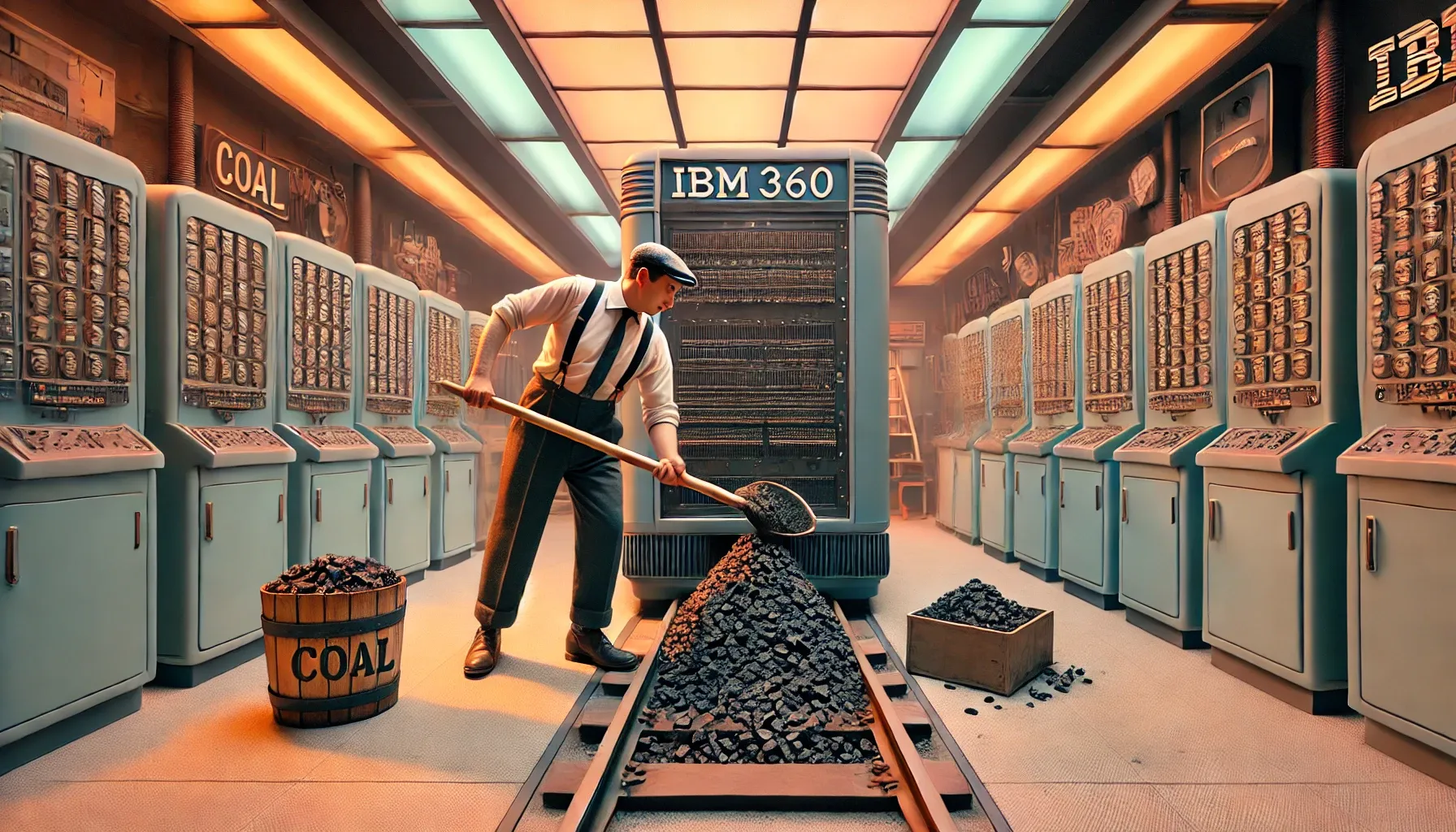
The Jevons paradox explains why more efficient AI may increase total consumption rather than reduce costs or energy use.

Aleph Alpha and OpenAI are compared as two very different strategies in the market for language models.