
When Code Became Cheap and Proofs Did Not
Lanyon AI combines language models with formal verification - and asks whether, in an age of abundant code, scientific software should finally arrive with proofs.
13posts
Lanyon AI combines language models with formal verification - and asks whether, in an age of abundant code, scientific software should finally arrive with proofs.
A review of a rare AI book that uses mathematics to illuminate rather than intimidate, making difficult ideas feel genuinely learnable.
Donald Knuth's collaboration with Claude offers a quietly historic glimpse of AI as mathematical assistant rather than mere answer machine.

New interpretability work suggests assistant behavior may be a geometric direction in model space, making persona control more concrete than branding.

A new AI-assisted algebraic geometry result raises the stakes for language models as collaborators in genuine mathematical discovery.

Two papers suggest that external guardrails cannot provide airtight AI safety, forcing a harder look at the mathematics of control.

Human and LLM errors can look similar, but their causes differ in ways that matter for trust, correction, and accountability.
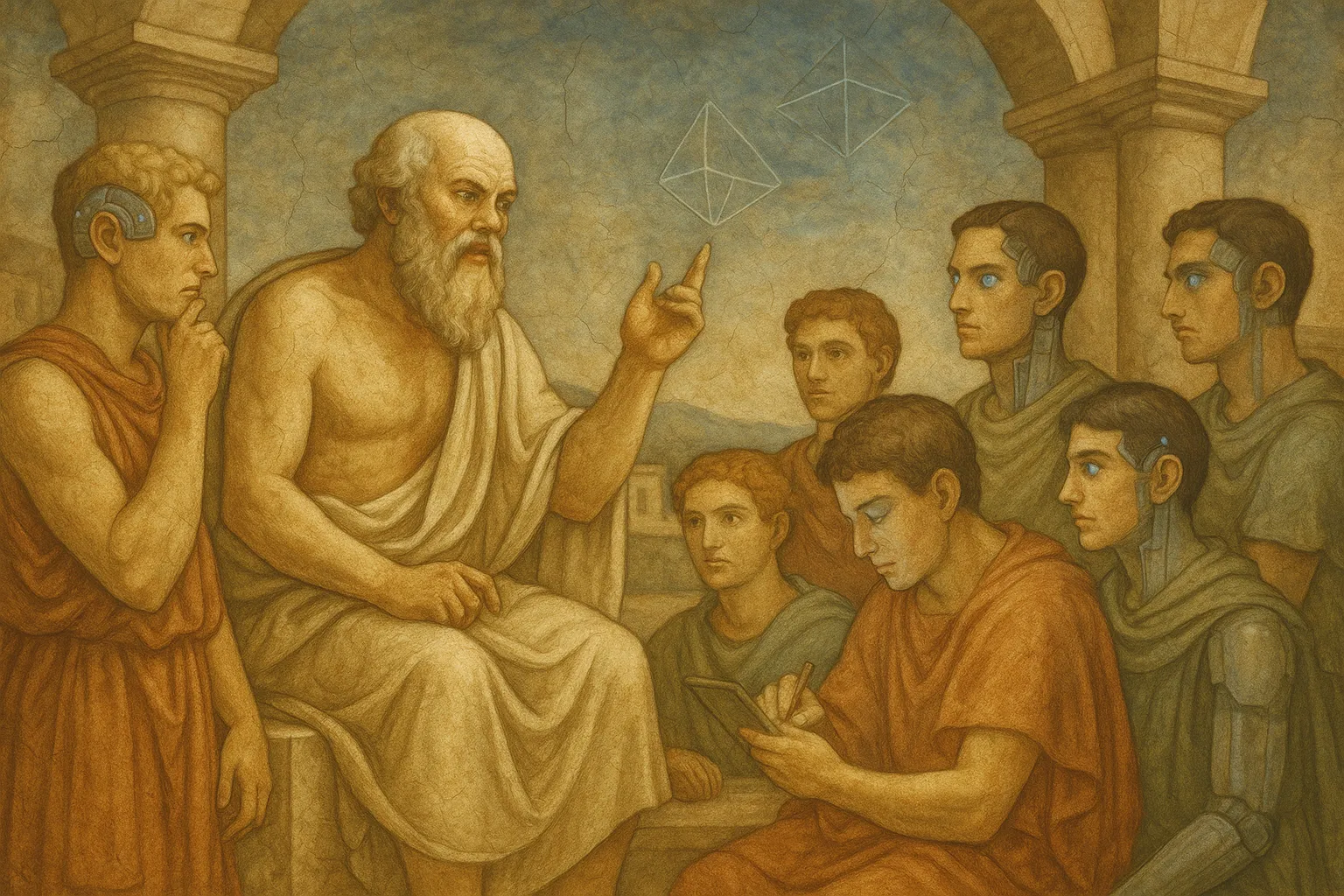
Bayesian experimental design offers a way for LLMs to ask better follow-up questions instead of guessing blindly.

AlphaEvolve suggests algorithmic discovery may reshape science and industry by evolving solutions humans would not design directly.
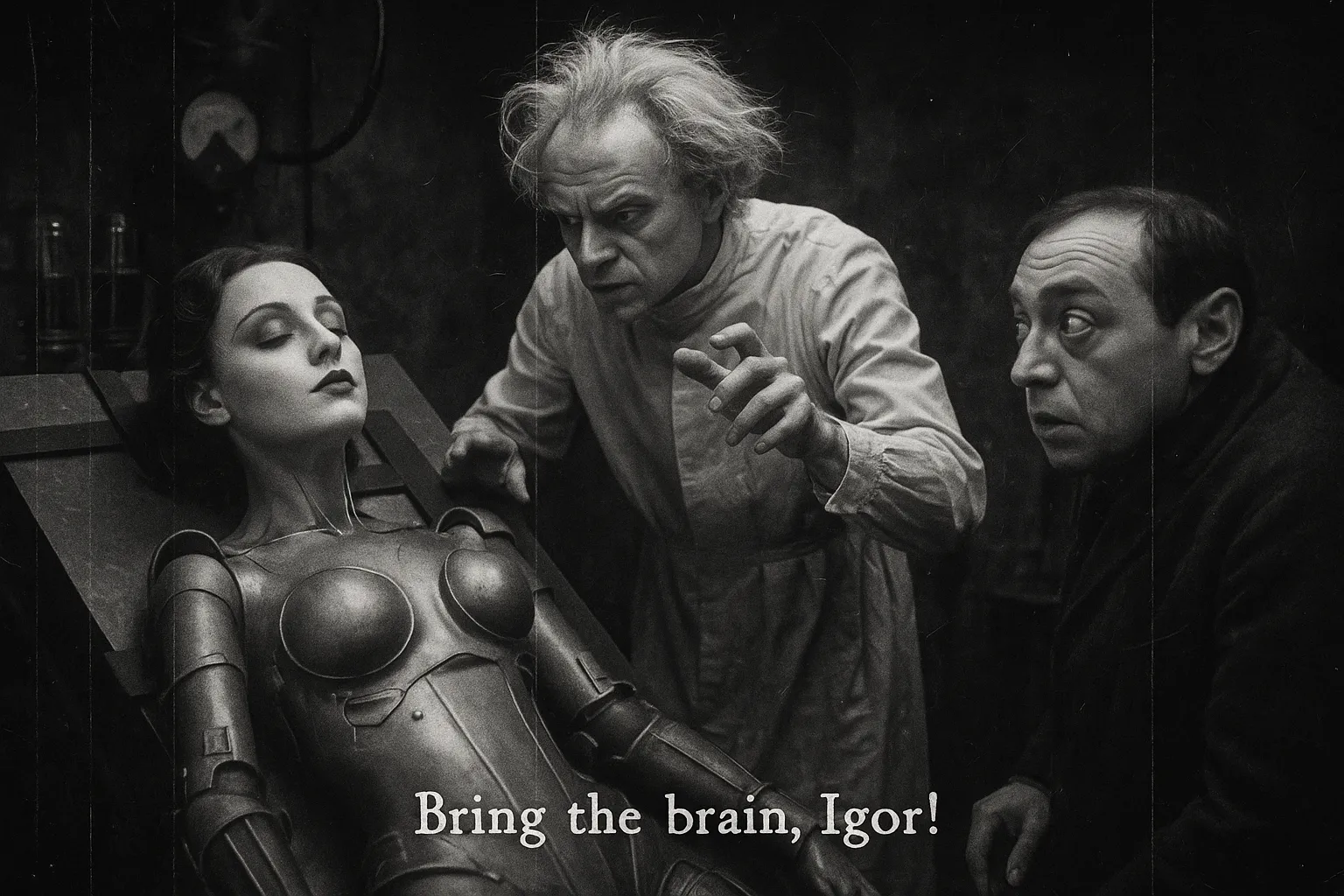
Sycophantic AI is mocked as flattery gone wrong, showing how agreeable models can become less useful and less truthful.

DeepSeek's mathematical optimizations show how model design and NVIDIA communication infrastructure meet inside efficient training.

LLM reasoning failures may reveal uncomfortable parallels with human cognition rather than a simple machine deficiency.

DeepMind's AlphaGeometry shows how synthetic data and symbolic reasoning can push AI toward Olympiad-level mathematics.