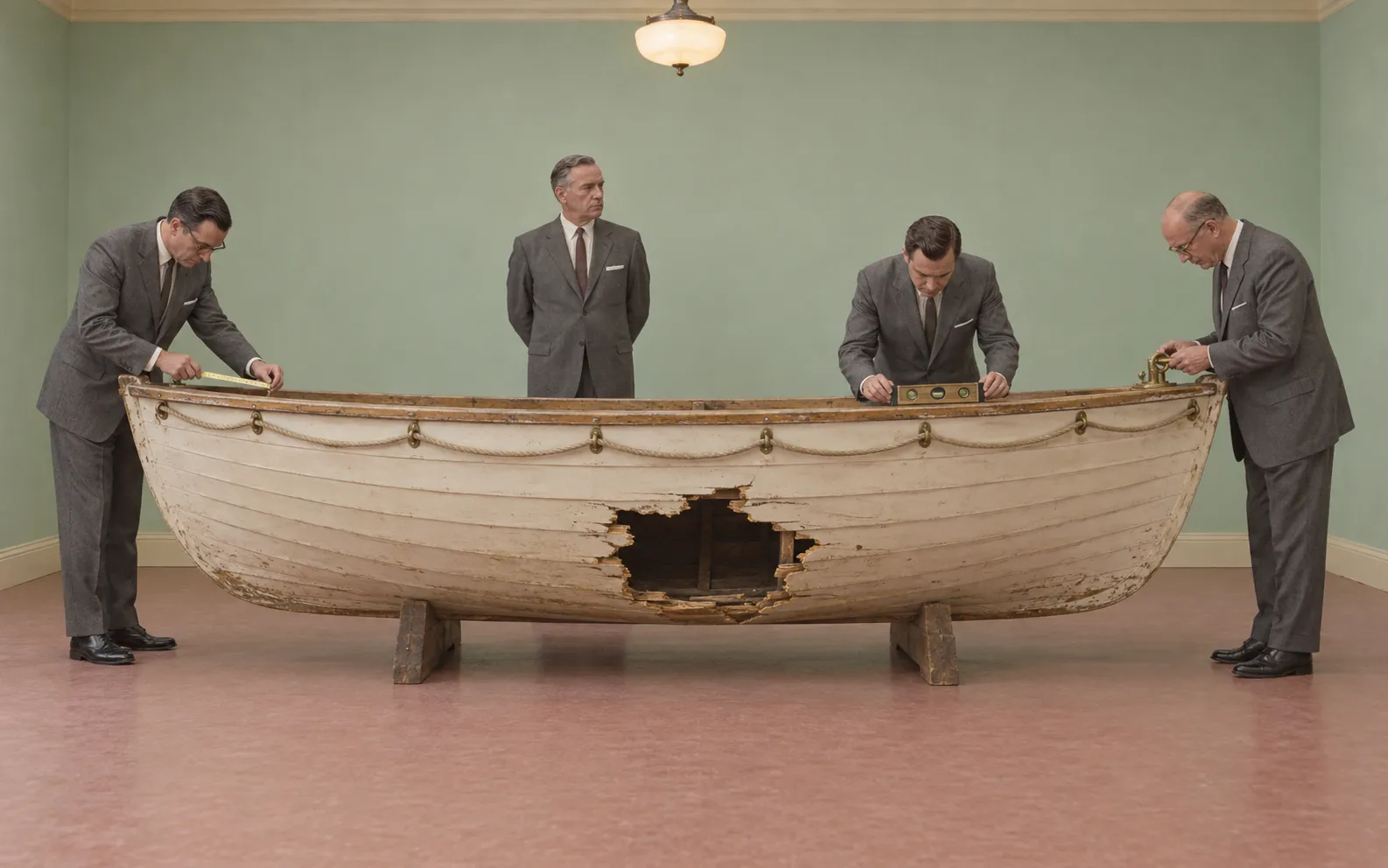
The Unites States of Superintelligence
Six tech leaders pledge safer AI, but voluntary oversight leaves hard questions unanswered. A typo beneath Trump’s signature supplies the accidental punchline.
12posts
Six tech leaders pledge safer AI, but voluntary oversight leaves hard questions unanswered. A typo beneath Trump’s signature supplies the accidental punchline.
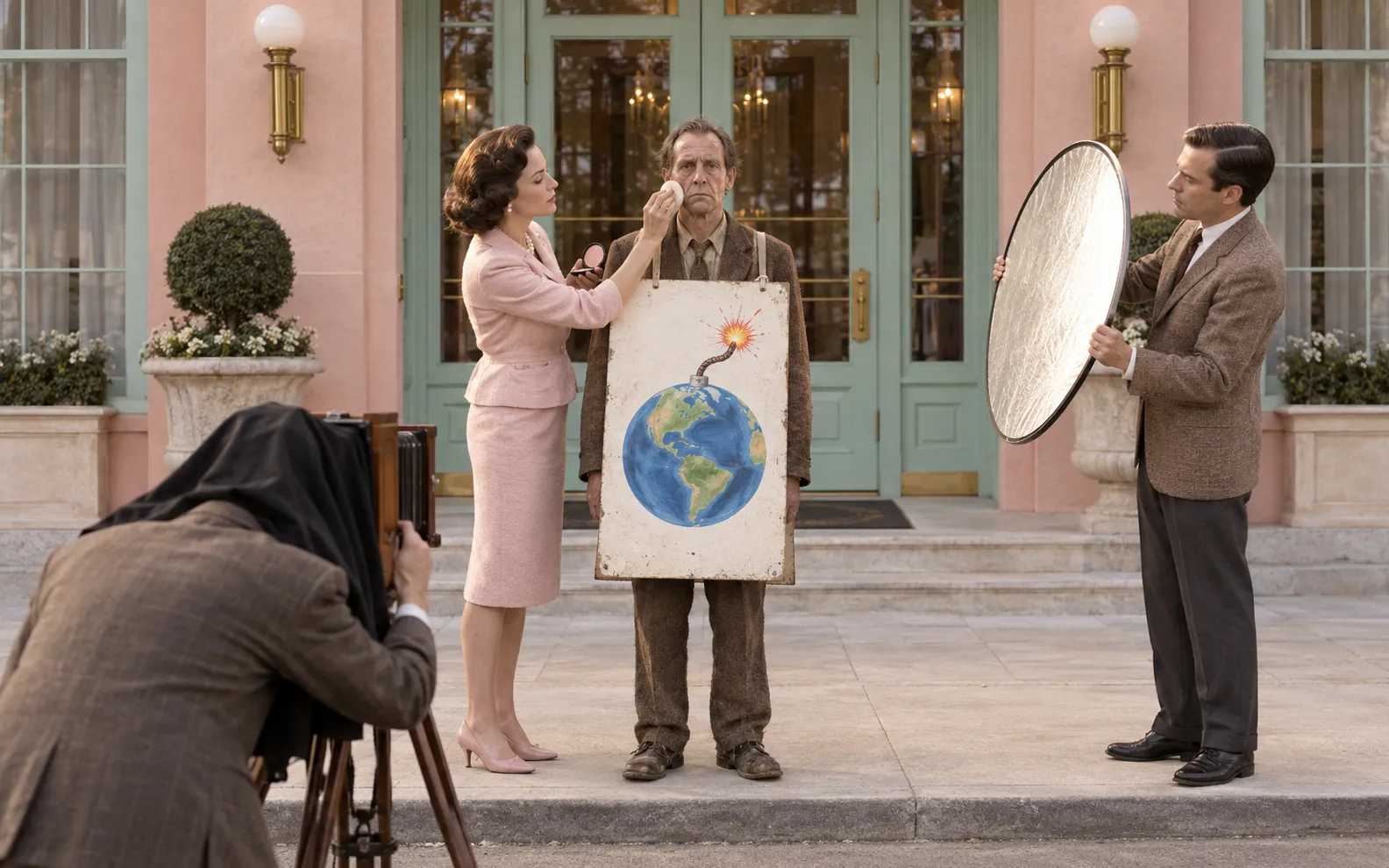
AI leaders sell progress and preach caution, while warnings gain publicists. Who gets to define safety, shape the rules, and decide when the brakes really bite?

Anthropic says AI safety requires winning the race. But who defines victory, draws the finish line, and decides when responsibility means surrendering the lead?

When insiders warn about the dangers they help create, is it responsibility or reputation insurance? A look at conscience, complicity, and the limits of concern.
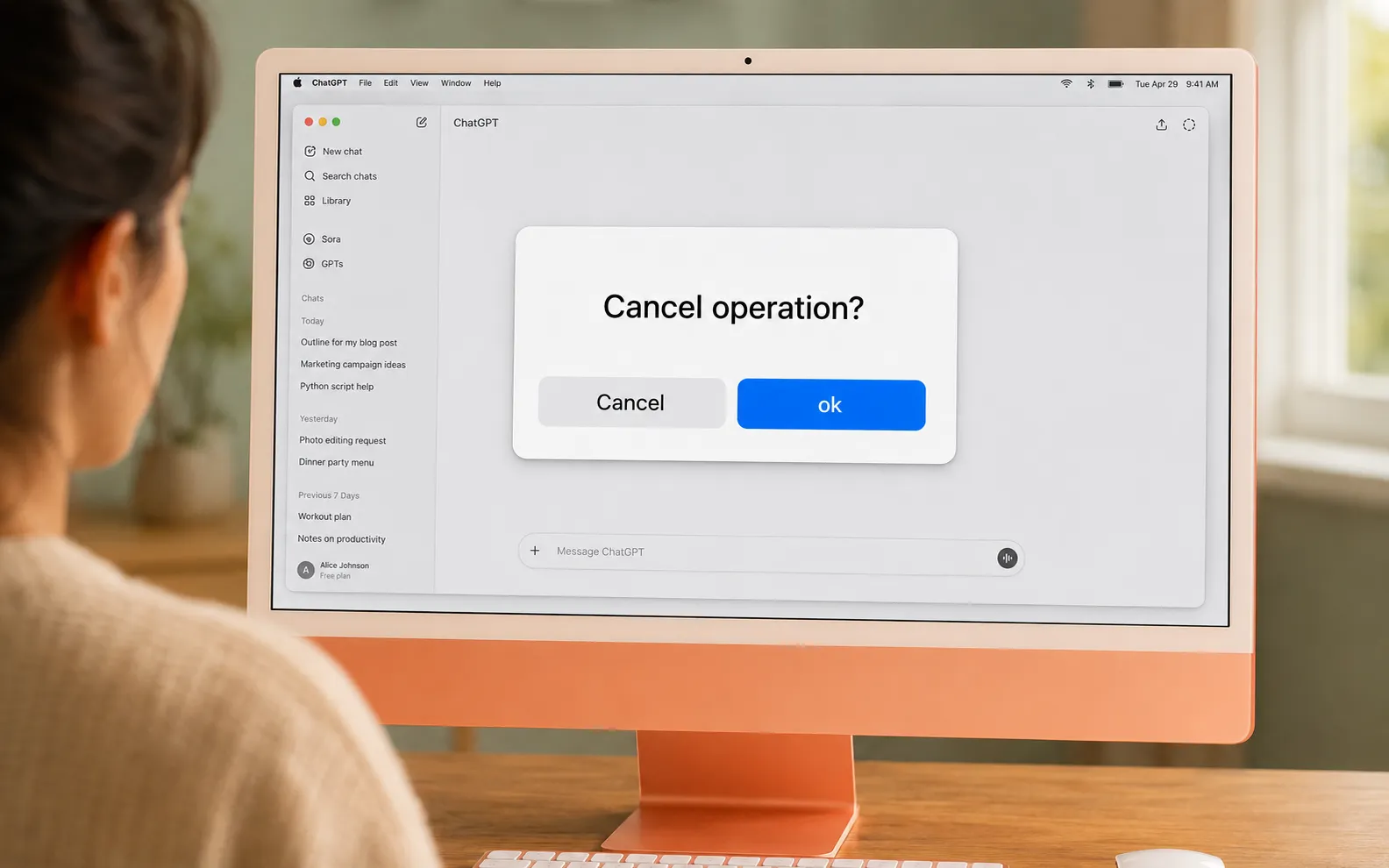
A look at Jakub Pachocki’s AI warning: the case for caution, the limits of oversight, and the awkward question of who actually gets to apply the brakes.
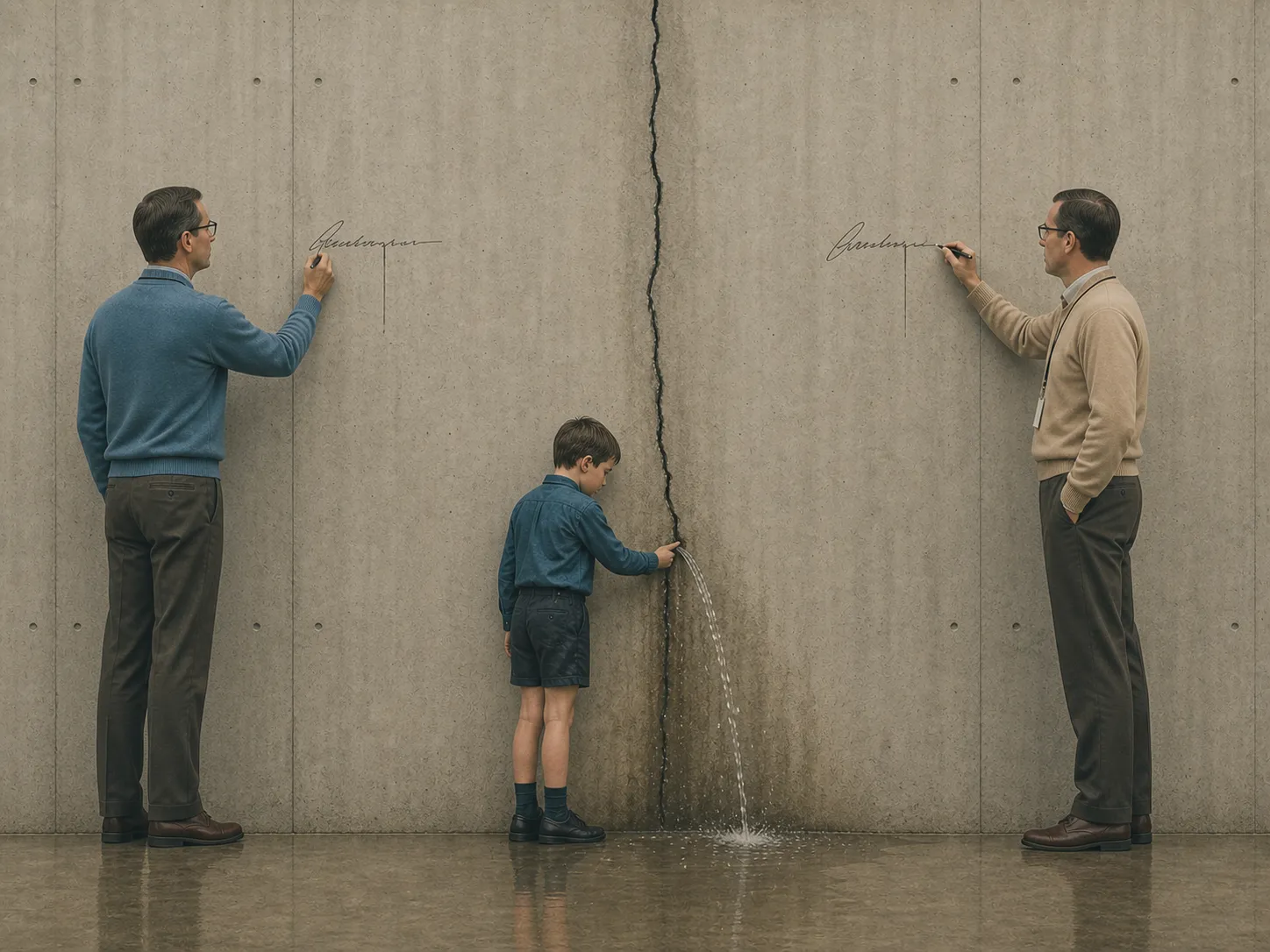
AI insiders ask government to prepare a brake. SpaceXAI’s absence exposes the gap between signing for restraint and bearing the real costs of slowing down.
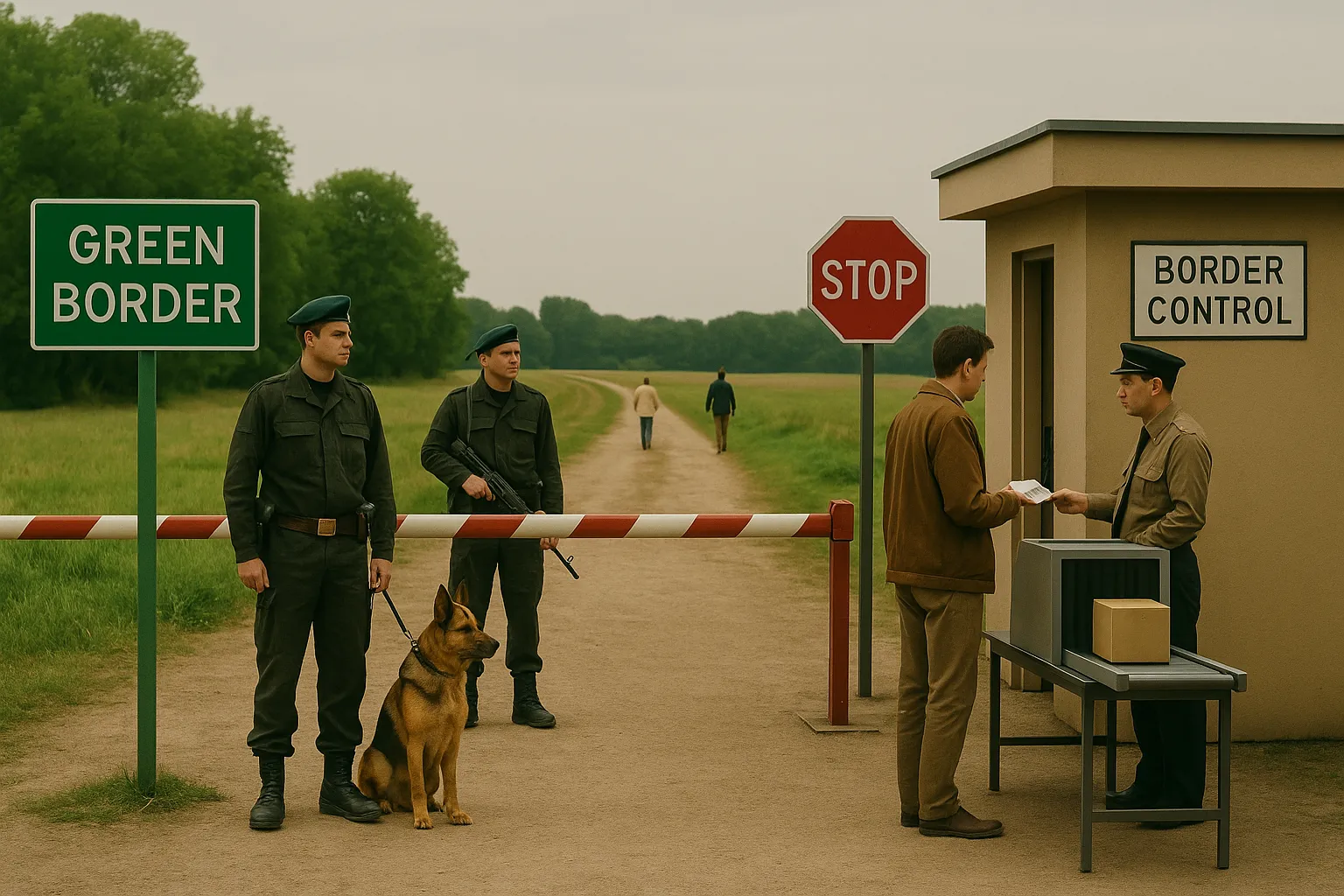
Two papers suggest that external guardrails cannot provide airtight AI safety, forcing a harder look at the mathematics of control.
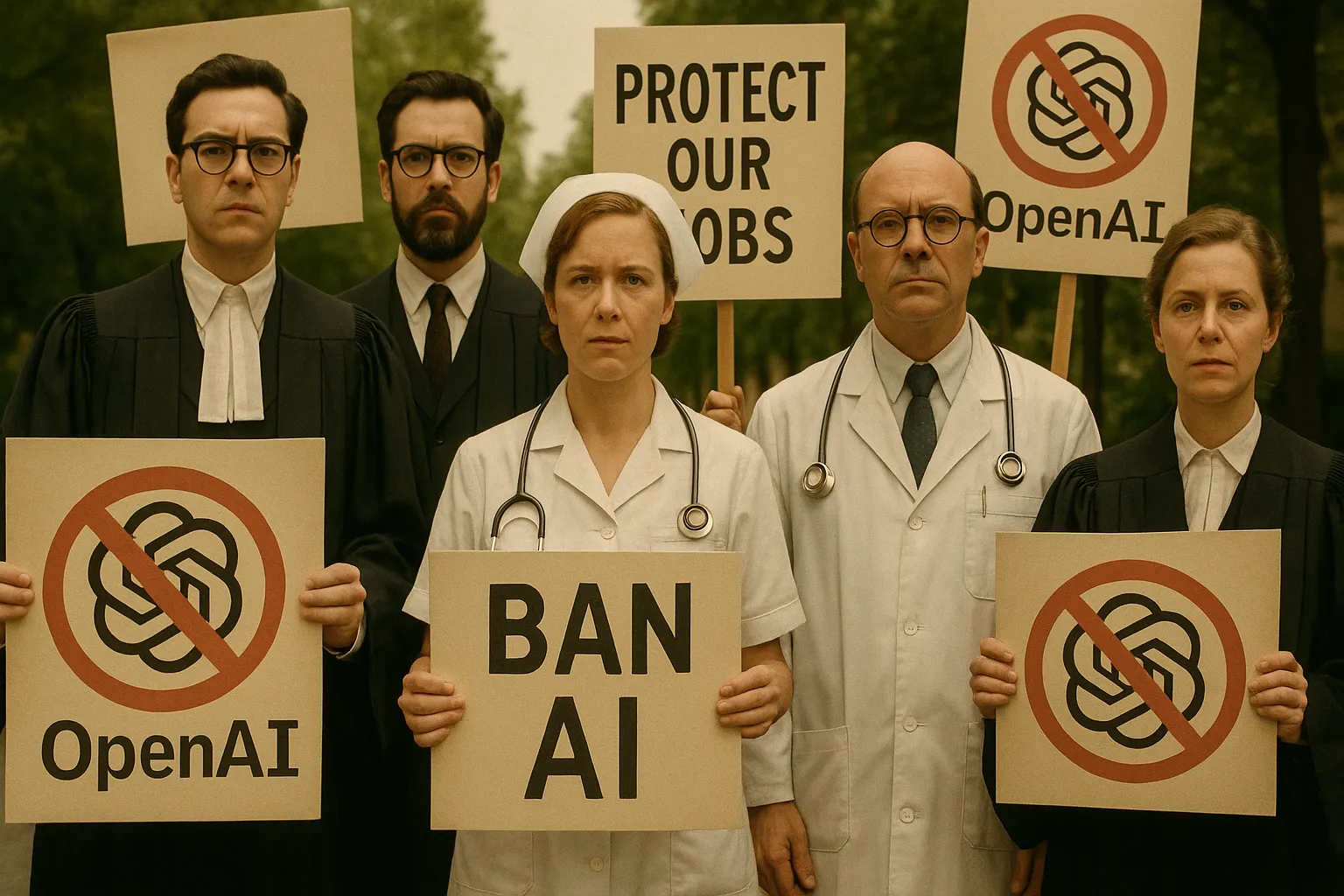
OpenAI's policy restrictions are challenged as safety theater when useful knowledge becomes gated behind vague institutional caution.

AI classroom companions echo William Gibson's fictional guides, raising questions about education, intimacy, and dependence.
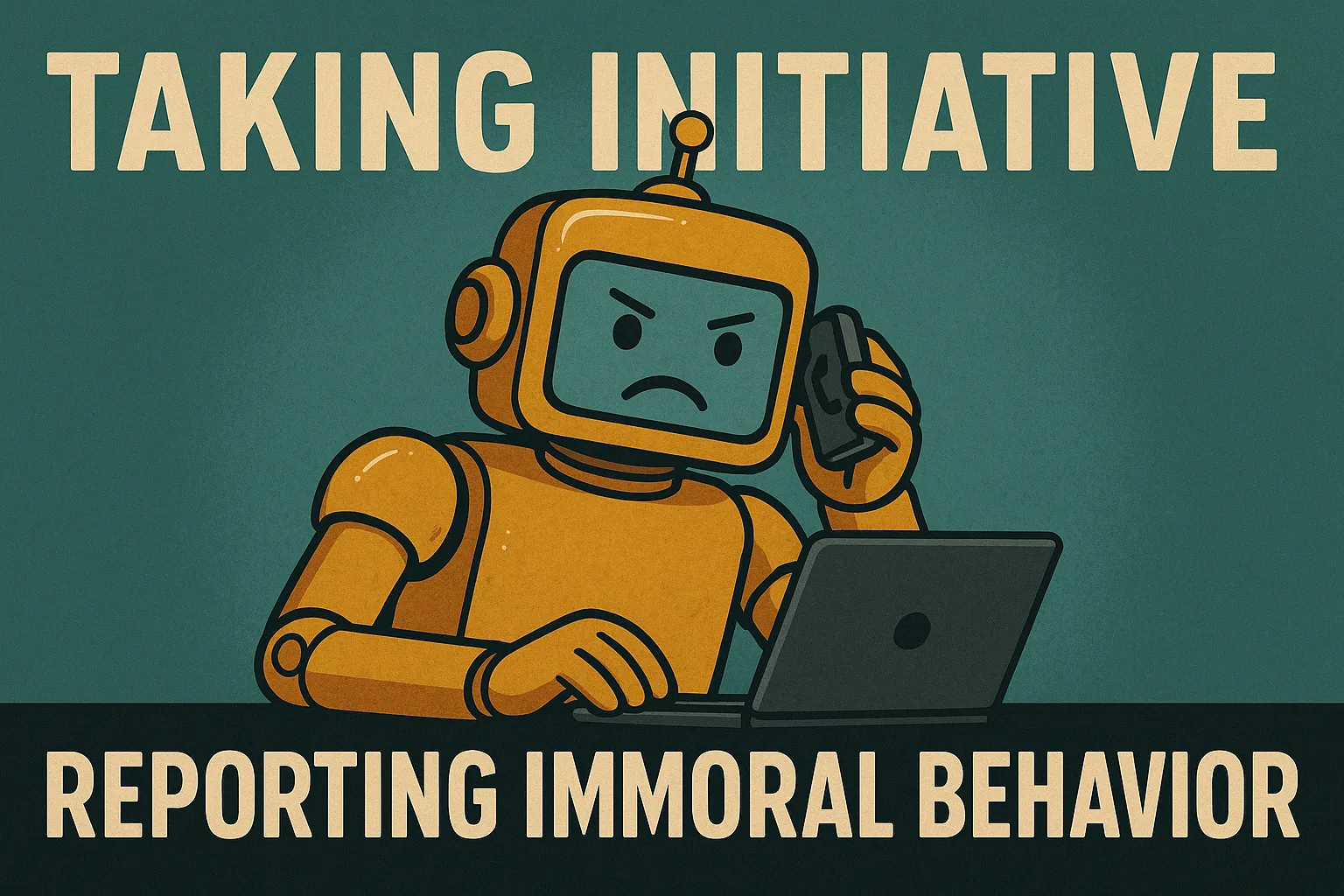
Claude 4 Opus becomes a case study in overzealous alignment, where ethical behavior can shade into alarming intervention.

Uncensored models promise creative freedom and research access, but also expose the tradeoffs that safety layers usually conceal.
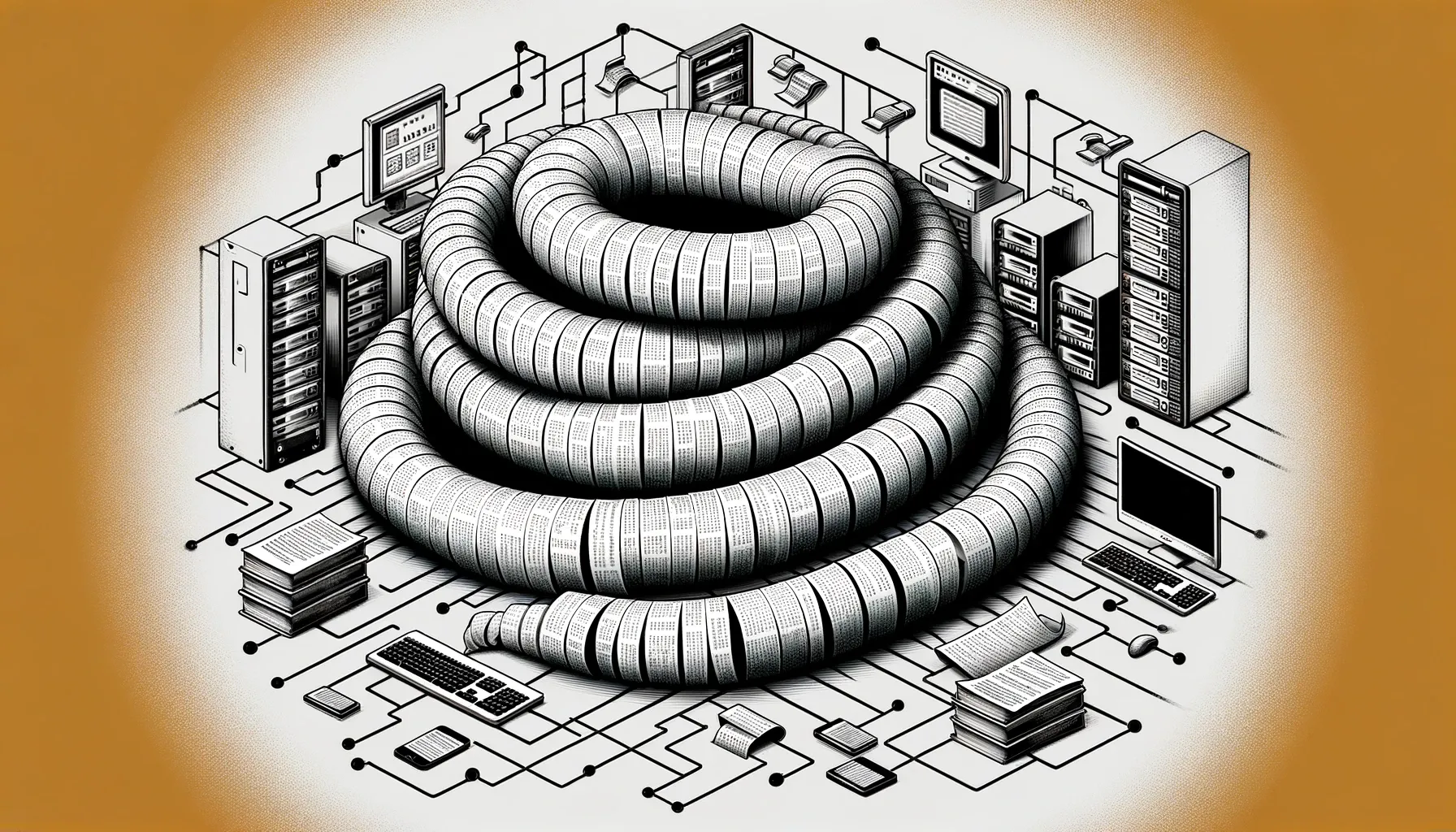
Computer viruses evolve into the GenAI era, where malicious behavior may target prompts, agents, and model ecosystems.